
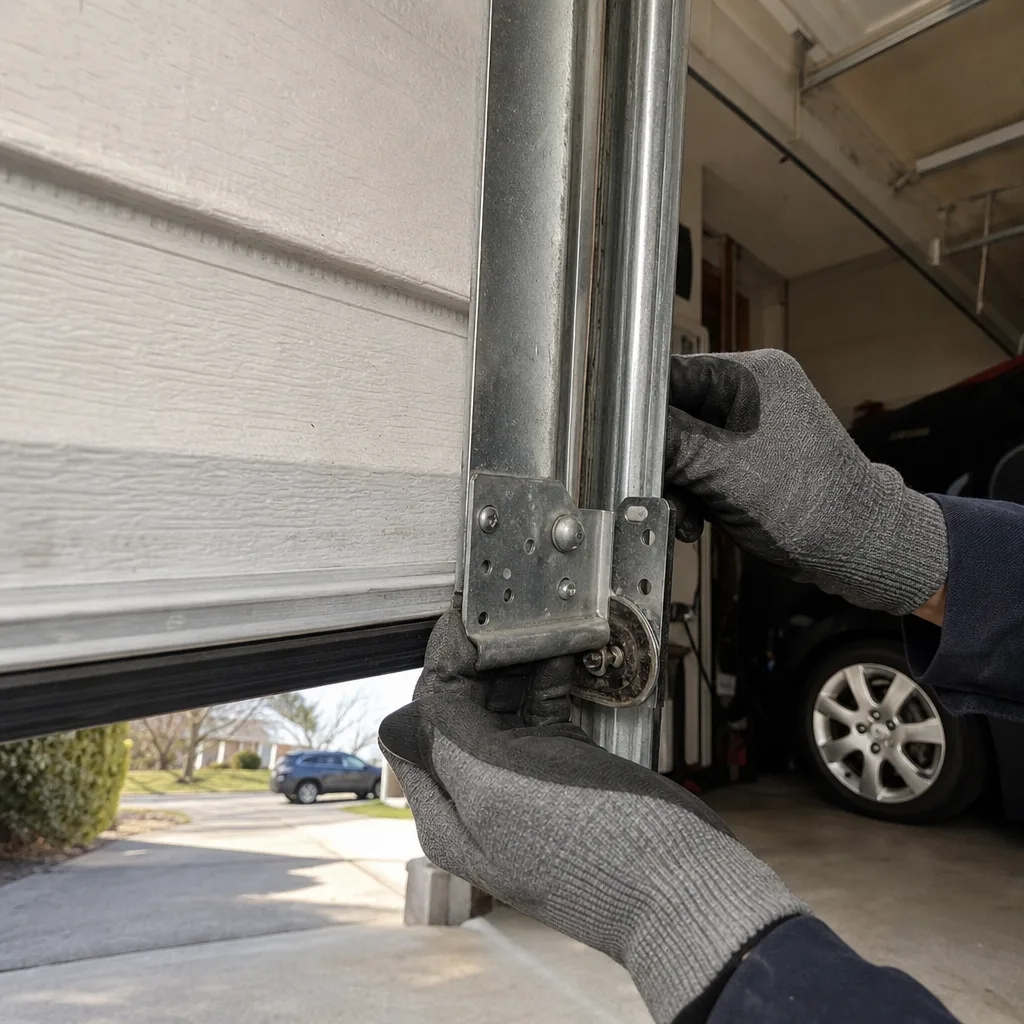
Last updated November 23, 2026
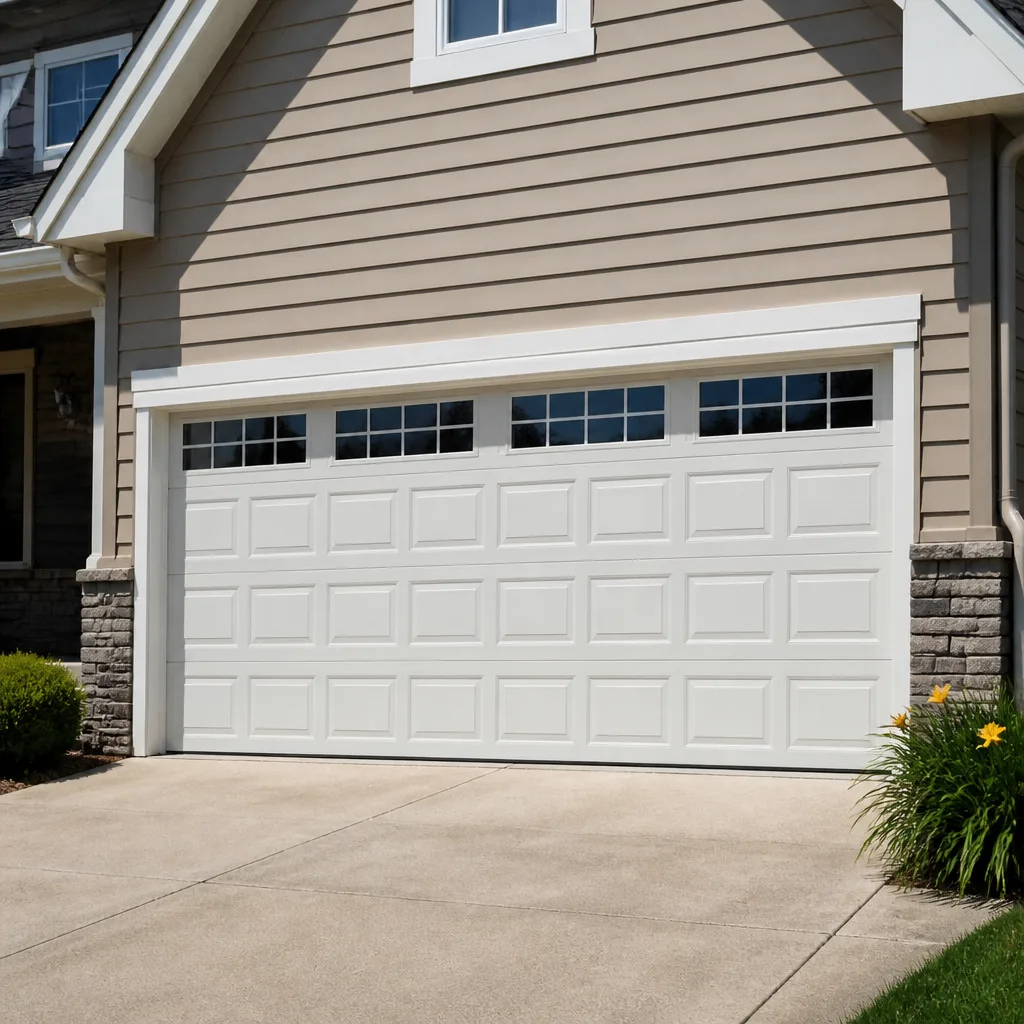 Raised-panel steel
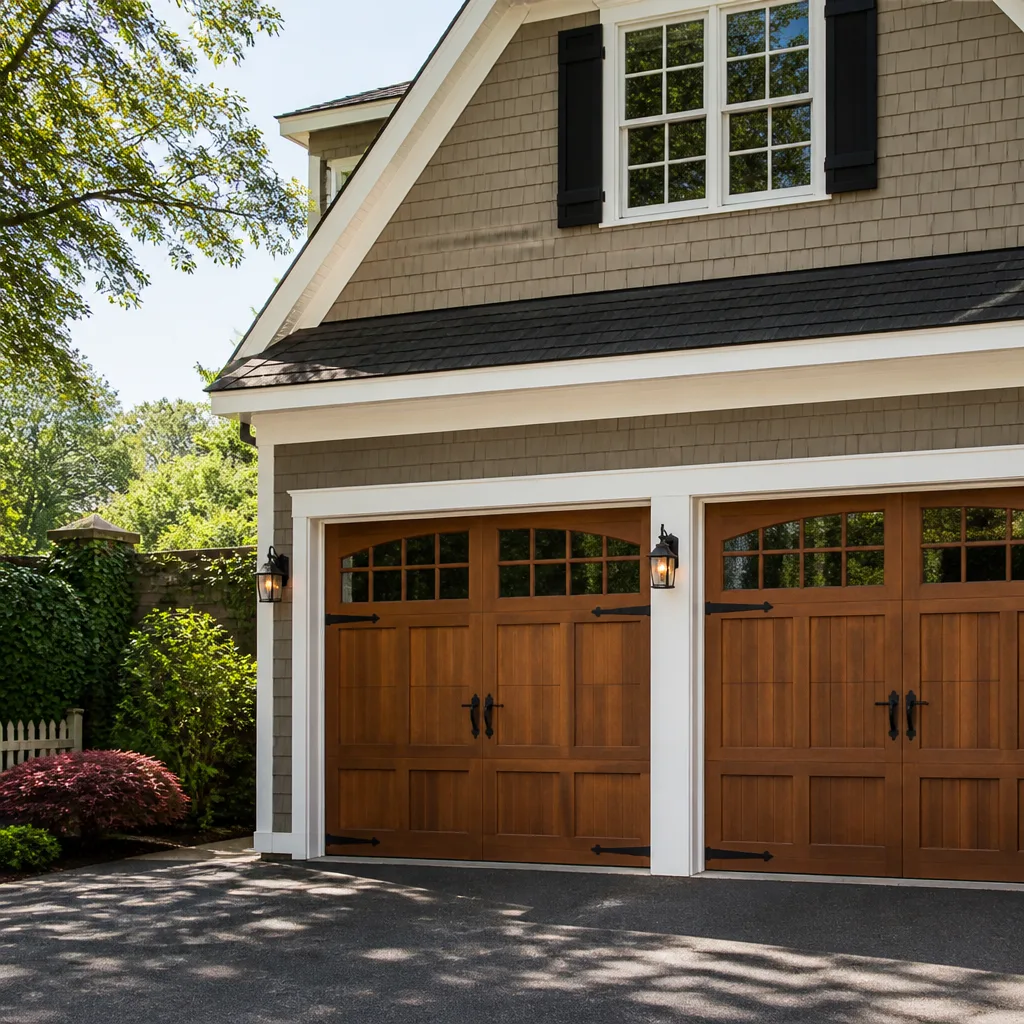 Carriage house
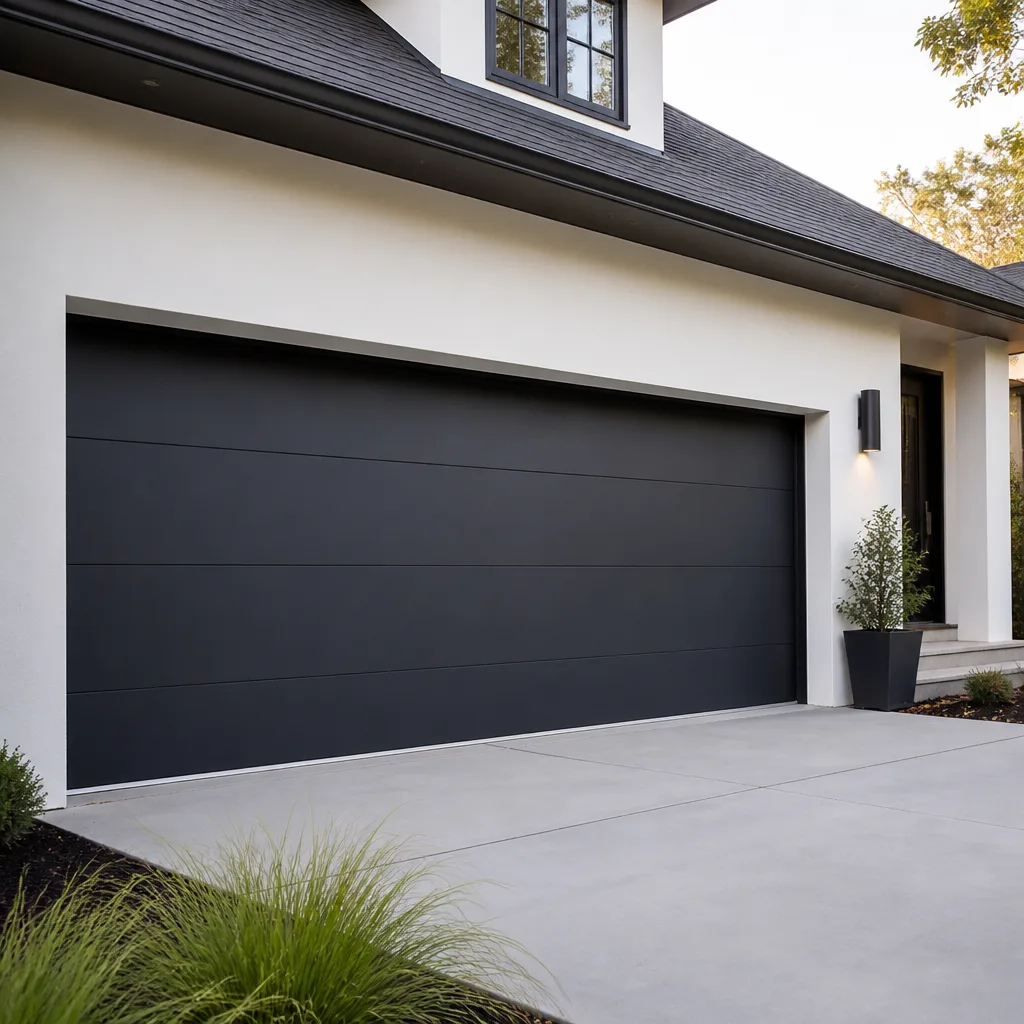 Modern flush
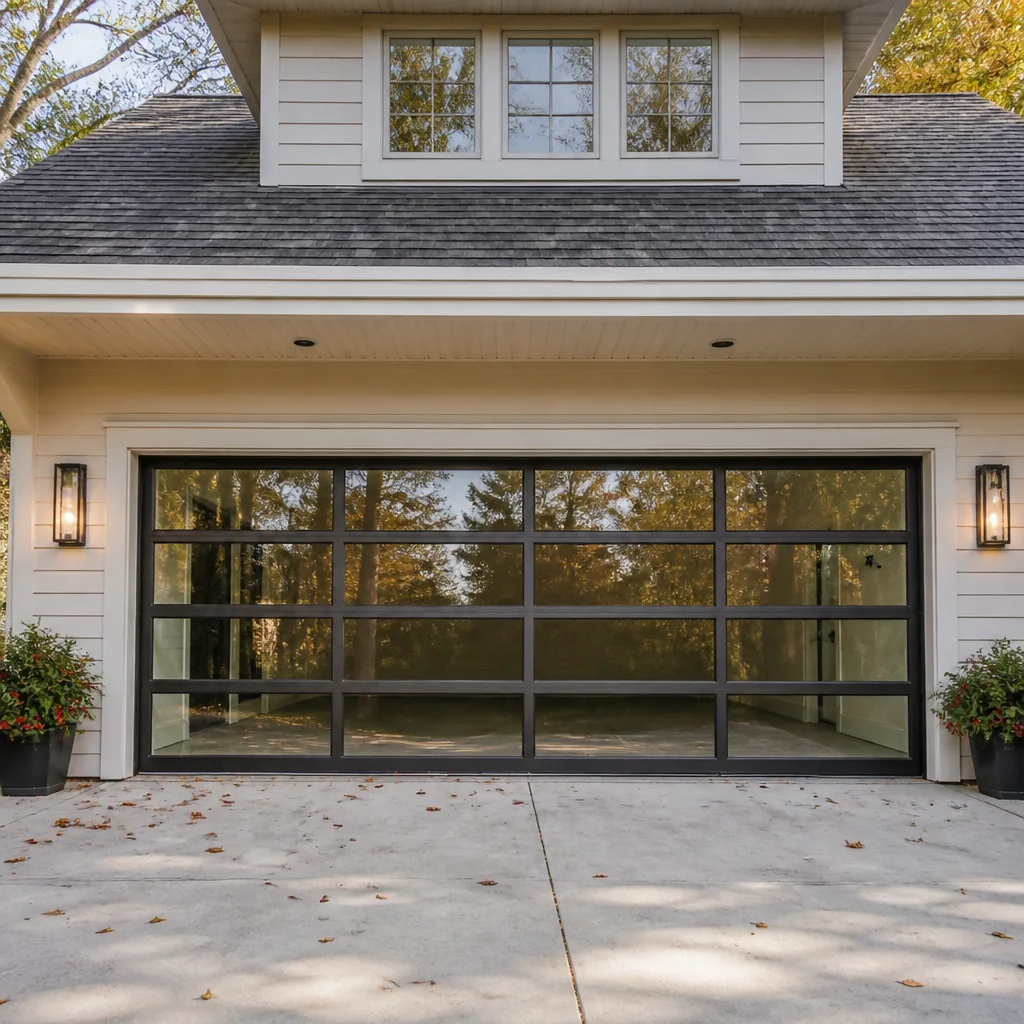 Full-view glass
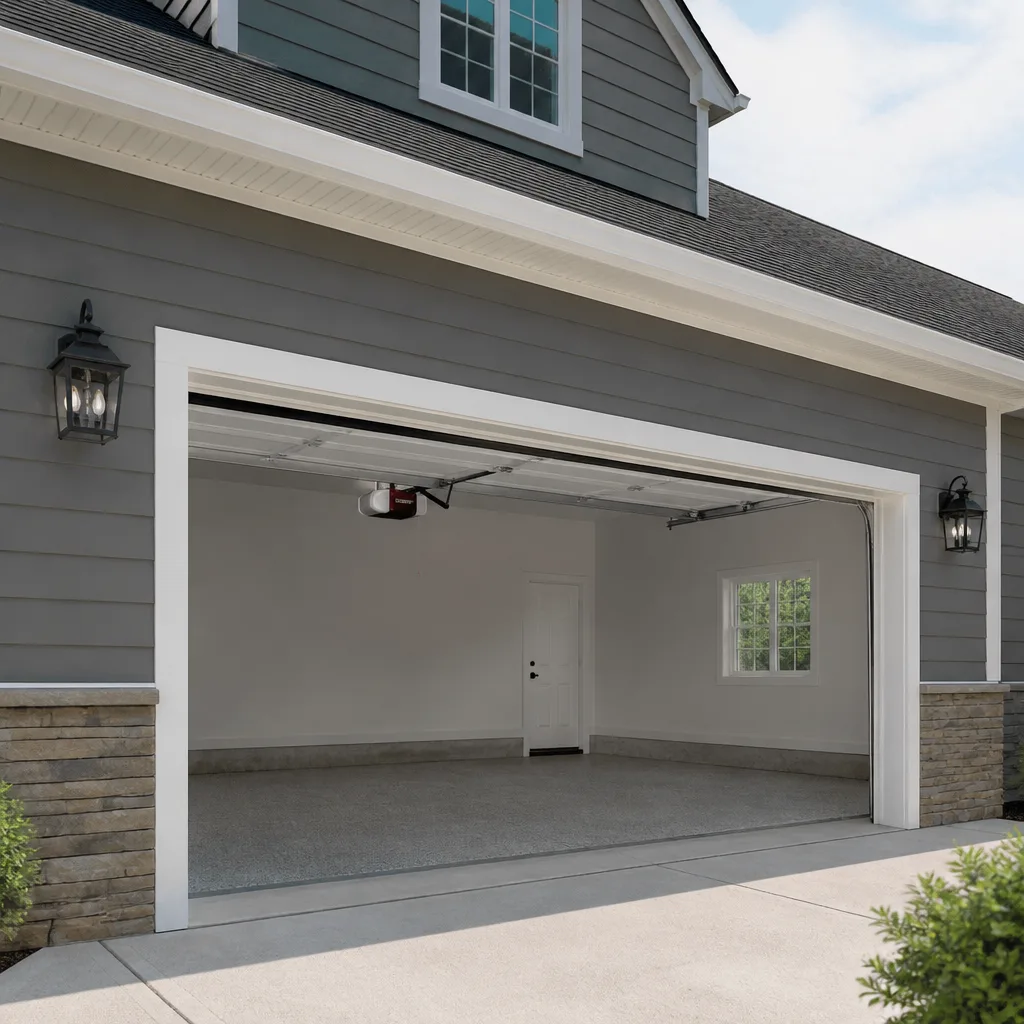 LiftMaster openers
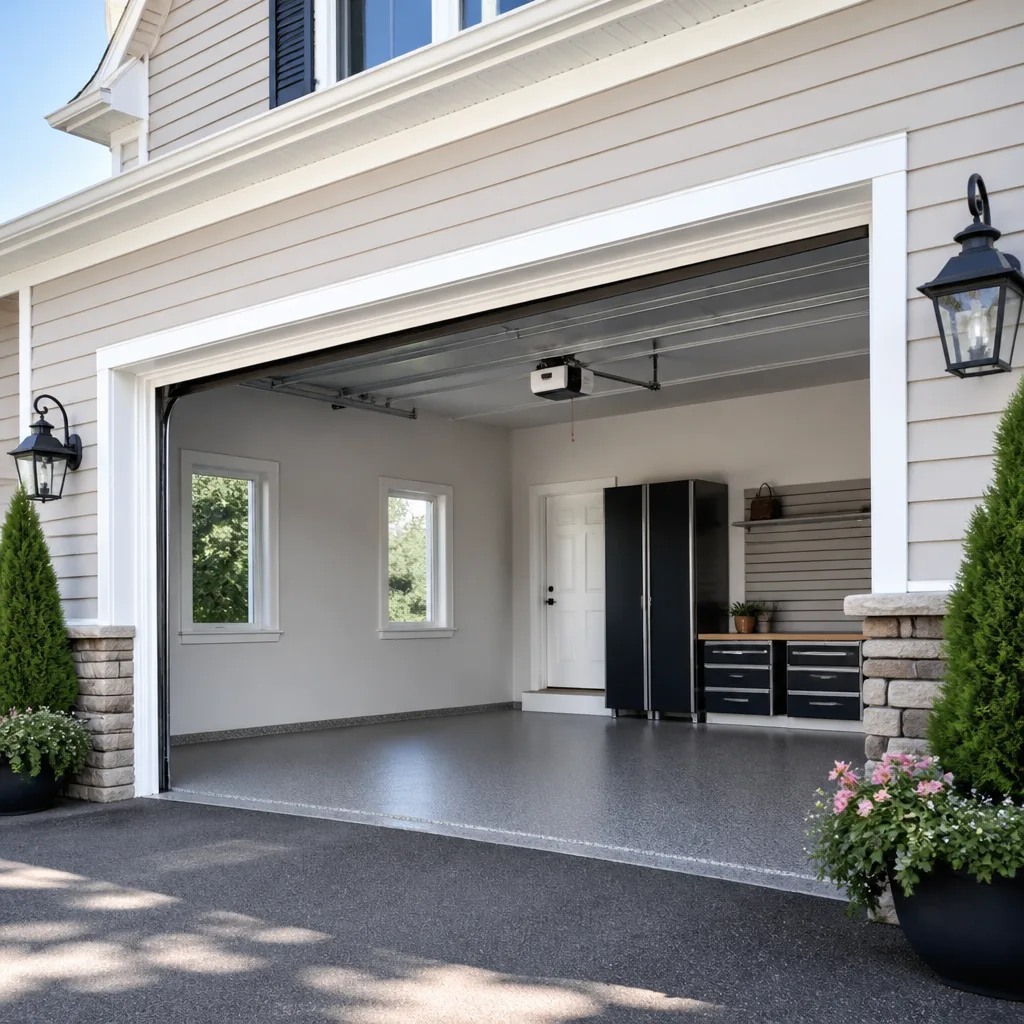 Chamberlain openers
Full 25-point door and opener safety check with every visit - springs, cables, rollers, tracks, and your LiftMaster or Chamberlain opener included
You get a price before we start. It does not change when the pro arrives.
Get your free estimateThe Complete Guide to Garage Doors in Glen Burnie
Most garage door guides are written for a mythical average homeowner in a mythical average climate. Glen Burnie isn’t average. You get humid summers that swell wood and stress seals, winters that freeze and thaw the hardware, and enough dampness in the air that corrosion becomes a real line item in your budget, not a footnote. None of that shows up in the generic guides ranking on page one. What follows maps the actual decisions – material, mechanism, insulation, brand, and lifecycle cost – to the conditions Glen Burnie homeowners live with. By the end you’ll know what your door is doing, why it’s doing it, and how to spend money on it once instead of twice.
Quick Answer
A garage door in Glen Burnie should be matched to three local realities: a damp, mixed-humidity climate that punishes raw aluminum and untreated wood, an architectural stock of ranchers, split-levels, and 1970s-to-1990s colonials, and attached garages where insulation matters more than the sticker price suggests. For most Glen Burnie homes, a galvanized steel or fiberglass door with a proper insulation rating and a modern opener is the combination that lasts longest and costs least over its full life. Everything below explains how to make that call for your specific house.
Styles & brands we work with
- Raised-panel steel
- Carriage house
- Modern flush
- Full-view glass
- LiftMaster openers
- Chamberlain openers
Table of Contents
- How Glen Burnie’s Climate Changes the Material Conversation
- Which Door Styles Fit Glen Burnie’s Housing Stock
- Why Insulation Matters More in an Attached Garage
- Lifecycle Cost: The Number Most Buyers Skip
- How the Parts Relate: Springs, Openers, Tracks, Panels, Smart Tech
- Brand Depth and Why It Saves You Time
- Repair or Replace? A Decision Framework
- The Maintenance Rhythm That Actually Matters
How Glen Burnie’s Climate Changes the Material Conversation
Glen Burnie sits in a stretch of Anne Arundel County that swings hard between wet and cold. Summers run humid enough that condensation forms on cool metal, and winters alternate freezes and thaws that work hardware loose. That cycle is what wears a garage door out here – not any single storm, but the repeating expansion and contraction of every joint, hinge, and seal.
This is why the material question is not cosmetic. It’s about which surfaces survive a decade of wet-dry cycling.
- Galvanized steel handles this climate best for the money. The zinc coating sacrifices itself before the base steel corrodes, so a scratch or a chip on the face doesn’t immediately become a rust bloom. Look for a galvanized, factory-primed or prefinished face rather than raw steel.
- Fiberglass doesn’t corrode at all, which makes it a sensible pick for anyone who wants low upkeep. The trade-off is that fiberglass can get brittle in extreme cold, so panel quality matters.
- Raw aluminum underperforms here. It resists rust but pits and oxidizes in persistent dampness, especially near grade or on a south-facing door that stays wet longer.
- Wood is the hardest to keep. It’s beautiful, and it moves with the humidity, which means swelling, sticking, and repainting on a short cycle. If you want the wood look, a steel door with a woodgrain finish gets you 90% of the appearance with a fraction of the upkeep.
In our experience, the biggest material mistake Glen Burnie homeowners make is buying for appearance alone and then fighting the climate for twelve years. Buy for the climate, then pick the appearance you like within that constraint.
Which Door Styles Fit Glen Burnie’s Housing Stock
Glen Burnie’s residential streets are dominated by three house types: single-story ranchers, split-levels, and the colonials built from the 1970s into the 1990s. Each has a garage door proportion that reads differently, and the wrong style makes an otherwise solid house look like a renovation gone sideways.
Ranchers
A low, wide ranch wants a door that keeps the horizontal line. A long panel or a raised-panel door in a single color reinforces that low profile. A tall, ornate carriage-style door on a ranch fights the roofline and looks grafted on.
Split-Levels
Split-levels have that distinctive staggered massing, and the garage often sits proud of the entry. Here a traditional raised-panel door in steel is the safe, correct choice. It matches the era and doesn’t compete with the roofline steps.
1970s-to-1990s Colonials
These want symmetry. A carriage-house or short-panel door with decorative hardware can work beautifully if the front elevation is balanced. Keep the window row consistent with the rest of the facade – a door with a different number of windows than the story above it will always look slightly off.
Color matters as much as style in Glen Burnie’s older neighborhoods. Warm whites, almond, and sandstone blend into the vinyl siding palette common on these homes. Black and deep charcoal doors read sharp on a modern rebuild but can look heavy against faded vinyl. If you’re repainting the house in the next few years, pick the door color for the future palette, not the current one.
We work on every major brand, so whether your house came with a Wayne Dalton or a Raynor originally, matching the replacement style to the existing opening and trim is routine rather than a project.
Why Insulation Matters More in an Attached Garage
An attached garage shares a wall with your living space. That wall is where most of the garage’s heat leaks into the house in summer and out of the house in winter. The door is the largest single opening in that shared envelope, so its insulation rating isn’t a luxury add-on – it’s part of how the house performs.
Maryland’s mixed climate zone means both hot, humid summers and genuinely cold winters, so an under-insulated door costs you year-round. In summer a thin door radiates heat into the garage, which pushes into the adjacent rooms. In winter it drains warmth from any room that shares the wall.
- No-insulation doors are fine for a detached, unheated workshop. They’re the wrong choice for an attached garage.
- Insulated steel doors with injected polyurethane foam give you the strongest thermal performance, and they also stiffen the door, which cuts noise and rattle.
- Polystyrene-insulated doors cost less and perform adequately for a milder setup, but they don’t match the polyurethane options for thermal resistance.
Ask two questions when you’re comparing insulated doors: is the insulation continuous (does it fill the entire panel, not just the center) and are the edges and hinges thermally broken? A door that insulates the middle of each panel but leaves the rails bare is doing less than the number on the tag suggests. For an attached garage in Glen Burnie, we generally steer homeowners toward a properly insulated door and don’t let a low price on an uninsulated model pull them away from it.
Lifecycle Cost: The Number Most Buyers Skip
Sticker price is the number every buyer compares, and it’s the number that matters least over time. What actually matters is the total cost of owning the door – purchase, upkeep, repairs, and replacement – divided across the years it serves you. A cheaper door that needs repainting, resealing, and hardware swaps on a short cycle can cost more than a pricier door that just works.
Here’s a rough lifecycle comparison for the most popular door types in this market, kept general because every job is different:
| Door type | Upfront cost | Upkeep profile | Expected service life |
|---|---|---|---|
| Uninsulated steel | Lowest | Low upkeep, but dents and rust spots over time | Shorter than insulated |
| Insulated steel (polyurethane) | Mid | Very low upkeep, resists dents, holds shape | Long |
| Fiberglass | Mid | No corrosion, occasional panel care | Moderate to long |
| Wood | High | Regular repainting, swelling, sticking | Long if maintained, shorter if neglected |
| Aluminum (raw) | Low to mid | Pits in damp weather, dent-prone | Shorter in this climate |
We can’t publish exact Glen Burnie prices here, because the written estimate sets the number and every opening is different. But the decision rule holds: buy the door you’ll maintain for the least effort over fifteen-plus years, not the one with the lowest invoice today. The steel or fiberglass insulated door wins this calculation for most attached-garage houses in Glen Burnie.
How the Parts Relate: Springs, Openers, Tracks, Panels, Smart Tech
Homeowners tend to make garage door decisions one at a time, in isolation. In reality every part is coupled to the others. A heavier insulated door loads the springs differently. A stronger opener stresses the tracks. A poorly aligned track makes the opener work harder. The garage door is a single system, and getting it right means understanding how the pieces talk to each other.
Springs
Springs counterbalance the door’s weight. Two types exist: torsion springs mounted on a shaft above the door, and extension springs that run along the horizontal tracks. A properly matched spring system makes the door feel light enough to lift with one hand at mid-travel. Springs are also the most dangerous part of the whole assembly – more on that in the safety note below.
Openers
The opener lifts and lowers, but it does not carry the door’s weight – the springs do that. A common misdiagnosis is a door that’s become too heavy to open being chalked up to a weak opener, when the springs are actually failing. Belt-drive openers are quieter and better on an attached garage. Chain drives are rugged and louder. Screw drives are less common but solid in the right application.
Tracks
The vertical and horizontal tracks guide the door. They deform when a door is forced or a vehicle clips the opener rail, and any deformation will make the door drag or jump. Tracks are adjustable and replaceable, and keeping them clean and aligned is one of the cheapest things you can do for the door’s lifespan.
Panels
Panels are the face of the door, and the most visible thing to damage. A bent panel can sometimes be straightened, but replacements are common on dents and impact damage. On a door where the panels are still available in your brand and model, replacement is usually better than a full door swap.
Smart Tech
Modern openers from LiftMaster, Chamberlain, and Genie offer app control, open-state alerts, and integration with the door-lock logic that keeps a door closed while you’re away. On a Glen Burnie home where the garage is attached and used as a daily entry point, an app alert when the door is left open is one of the most practical additions you can make. It’s a low-cost upgrade that solves a real daily problem.
Brand Depth and Why It Saves You Time
A garage door is a set of brand-specific parts. The opener is one brand, the door is another, the springs have their own sizing logic, and the smart module lives inside the opener. When something breaks, the fastest path back to a working door is someone who already knows the brand rather than someone who has to look it up mid-job.
We’re factory-familiar with eight of the major names in this trade: LiftMaster, Chamberlain, Genie, Clopay, Amarr, Wayne Dalton, Craftsman, and Raynor. That covers the vast majority of what’s hanging on garage openings in Glen Burnie and the surrounding county. It means when we walk up to a door, we’re not running trial-and-error diagnostics to figure out which opener family we’re looking at or which track geometry a particular model uses – we already know, and the correct parts are the correct parts on the first visit.
- Clopay and Amarr dominate the steel door category, and their panel profiles are well-documented enough that replacements are routine.
- LiftMaster, Chamberlain, and Genie are the opener workhorses on most local homes.
- Craftsman and Raynor show up on older installations, and knowing their specific rail and spring characteristics keeps a repair fast.
- Wayne Dalton doors, including the foam-core models, are common on 1990s builders’ homes and have their own quirks around panel replacement.
In our experience, the most valuable thing we can do for a homeowner is diagnose correctly the first time. Brand depth is what makes that possible, and it’s the reason Glen Burnie Garage Door Repair Pros can give a straight answer on a repair instead of a guess.
Repair or Replace? A Decision Framework
The choice between fixing your current door and buying a new one comes down to three factors: how much of the door is still good, how old it is, and whether the repairs will change its performance in a way you care about. Use this sequence.
- Assess the door structure. If the panels and frame are sound and the tracks are straight, almost anything inside the mechanism is repairable.
- Count the failing systems. One system down (springs, or opener, or a single panel) is usually a repair. Two or three systems failing at once on an old door leans toward replacement.
- Weigh insulation and upgrades. If the door is uninsulated and it’s on an attached garage, replacing it may deliver improvement a repair can’t. If the door is already insulated and performs well, repair it.
- Consider panel availability. A dented panel on an older model may no longer be made. If it isn’t, replacing the door becomes the cleaner option.
- Compare lifecycle cost, not invoice. A repair that buys five more years of service may be the better deal than a new door. Run the numbers before you decide.
For most Glen Burnie homes, the answer trends toward repair on doors under about a decade old, and toward replacement when the door is in its second decade and needs both structural and mechanical work. When we look at a door we’ll give you the honest split rather than pushing the bigger spend. Most of the time the smaller fix is the right one, and it’s the one we’ll recommend.
The Maintenance Rhythm That Actually Matters
Most garage door maintenance guides are padded with steps that don’t move the needle. The things that actually extend a Glen Burnie door’s life are fewer than you’d think, and they mostly take minutes.
- Look at the springs and cables each time you do a visual walk-around. A gap in a torsion spring, or a stretched or misaligned cable, means a call – not a DIY project.
- Lubricate the moving parts. Hinges, rollers, and the torsion shaft benefit from a proper garage door lubricant, not a general-purpose oil. Avoid greasing the tracks themselves – grime there makes rollers slip rather than roll.
- Test the balance. Disconnect the opener and lift the door to mid-travel. If it drops, the springs are losing tension. That’s a spring issue, not an opener issue.
- Check the safety reverse. Put a small object in the door’s path and confirm the door reverses. This is the single most important safety test and it takes ten seconds.
- Wash the face and keep the seals clean. The bottom weather seal is what keeps damp air out, and damp air is what this climate contributes most of.
That’s the whole list. Skipping the spring check is where most costly spring failures start – and spring work is not a house-project job.
A Safety Note on Springs and Cables
The torsion spring and the cables are under extreme tension. A spring that lets go can cause serious injury, and the cables that run with it can whip. Never attempt to replace, adjust, or “just tighten” a spring or cable yourself, and never release tension without the right training. This is the part of a garage door system that requires a trained technician, every time, with no exceptions. If a spring is broken and the door is stuck open or stuck down, treat it as a call-us situation rather than a weekend project.
Common Mistakes to Avoid
- Buying an uninsulated door for an attached garage in this climate. It’s the single most common purchase mistake we see in Glen Burnie. The garage is part of the house’s envelope, and the door is its biggest opening.
- Choosing raw aluminum in a damp climate. It looks clean and modern on the showroom floor and pits and oxidizes within a few years on a wet-facing wall.
- Letting the opener mask a spring problem. A door that’s gotten heavy to lift by hand is telling you the springs are failing. Running the opener harder on failing springs shortens the opener’s life.
- Forcing a door that’s off-track. If the door is dragging, jumping, or crooked, stop using it. Forcing it deforms the tracks and turns a repair into a replacement.
- Skipping the safety reverse test. Ten seconds once a season is the whole cost of catching a safety failure before it matters.
- Picking door color for the present paint job only. If you’re repainting in the next year or two, pick the door color for the future palette, otherwise you’ll be looking at the wrong door color every time you pull in.
- Calling a generalist for a brand-specific problem. A handyman can lift a door out of the way. Diagnosing a LiftMaster opener fault or sourcing a Clopay panel needs the brand familiarity a specialist has.
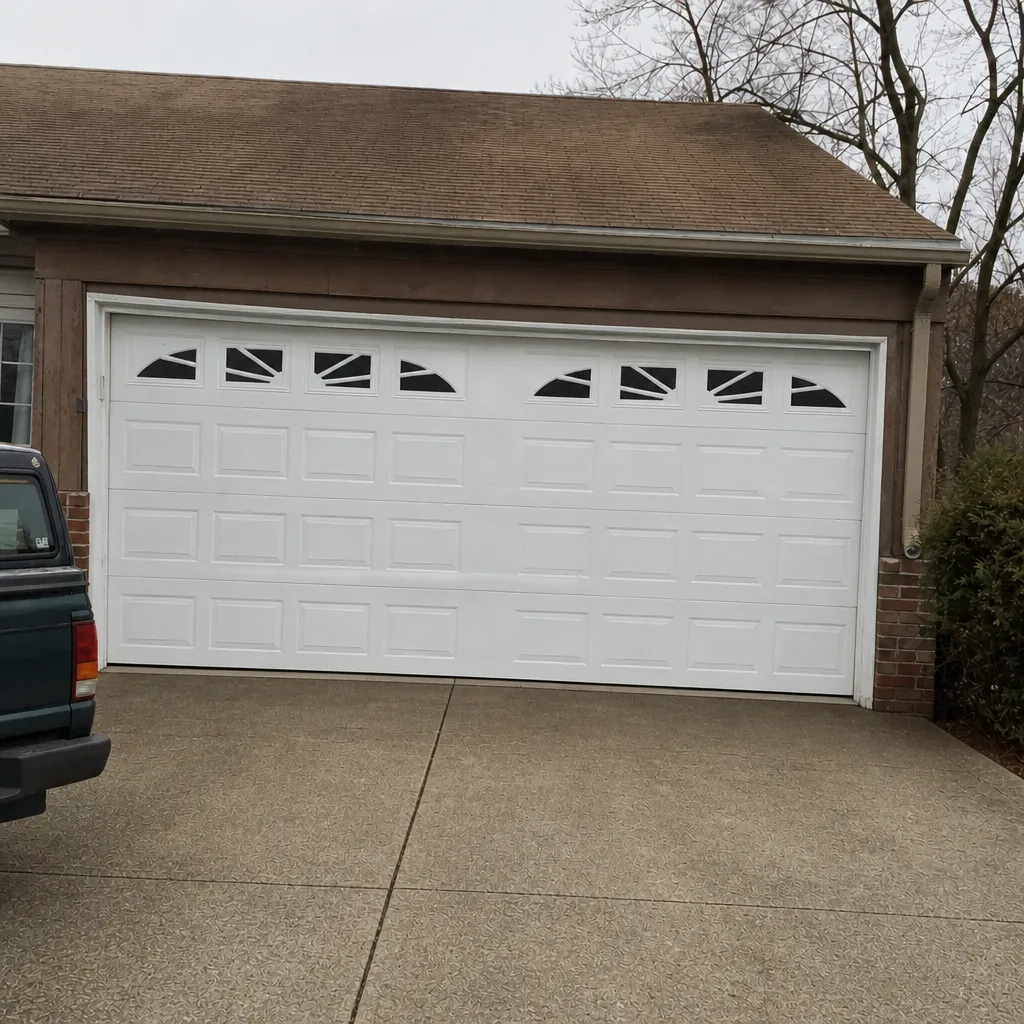
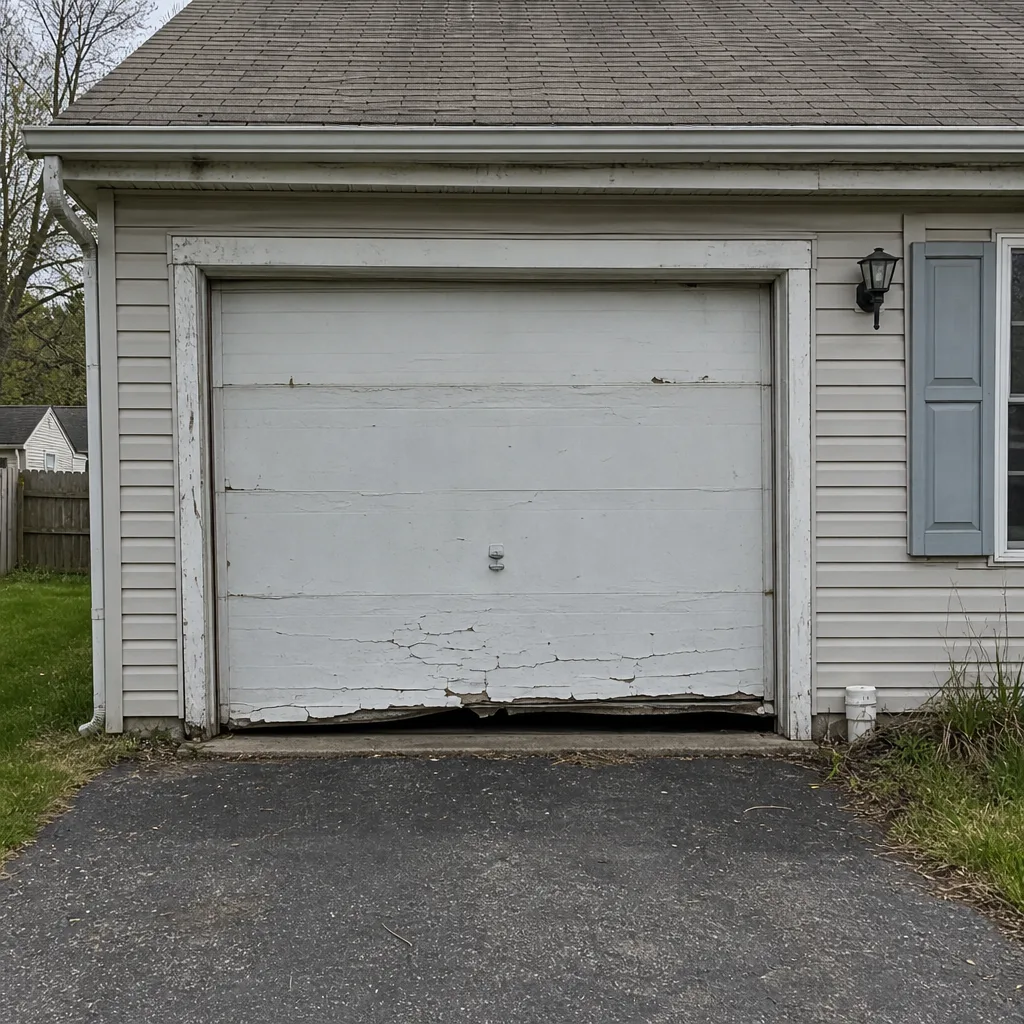
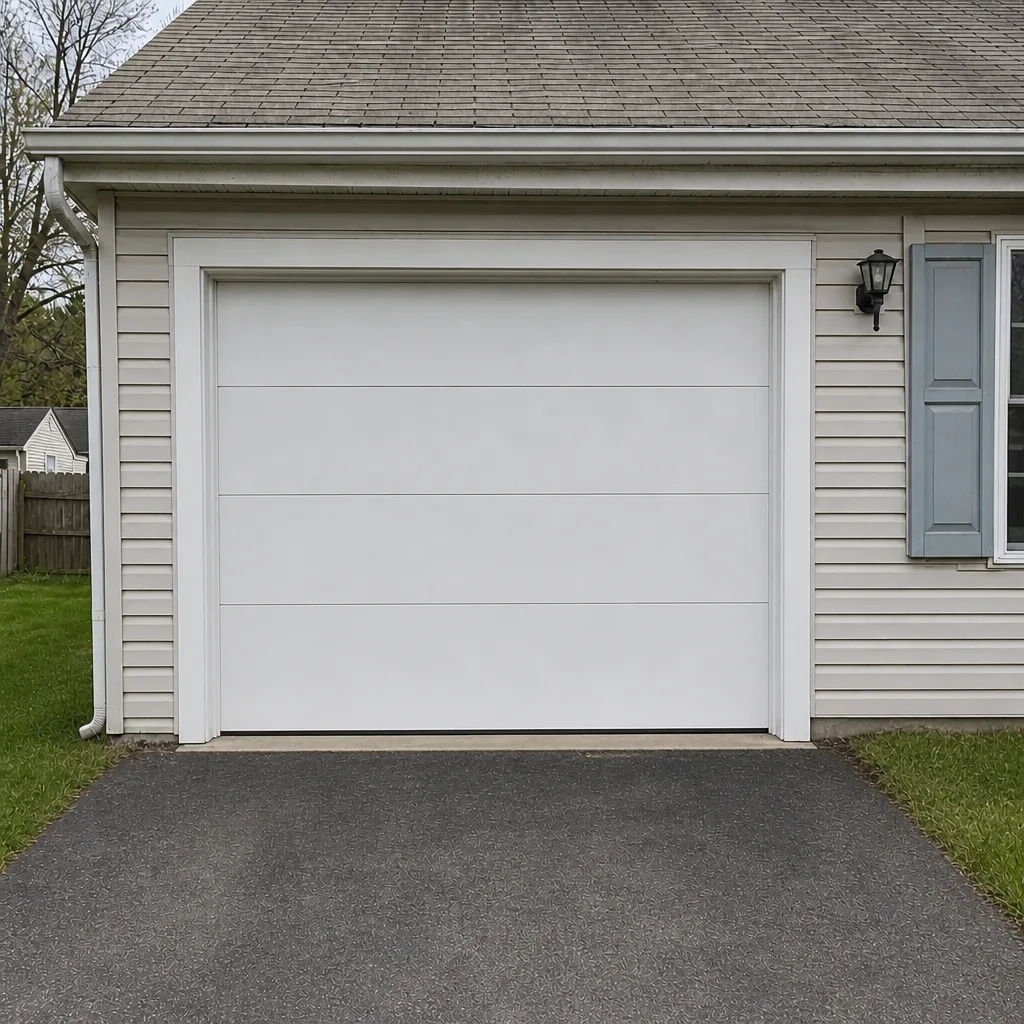
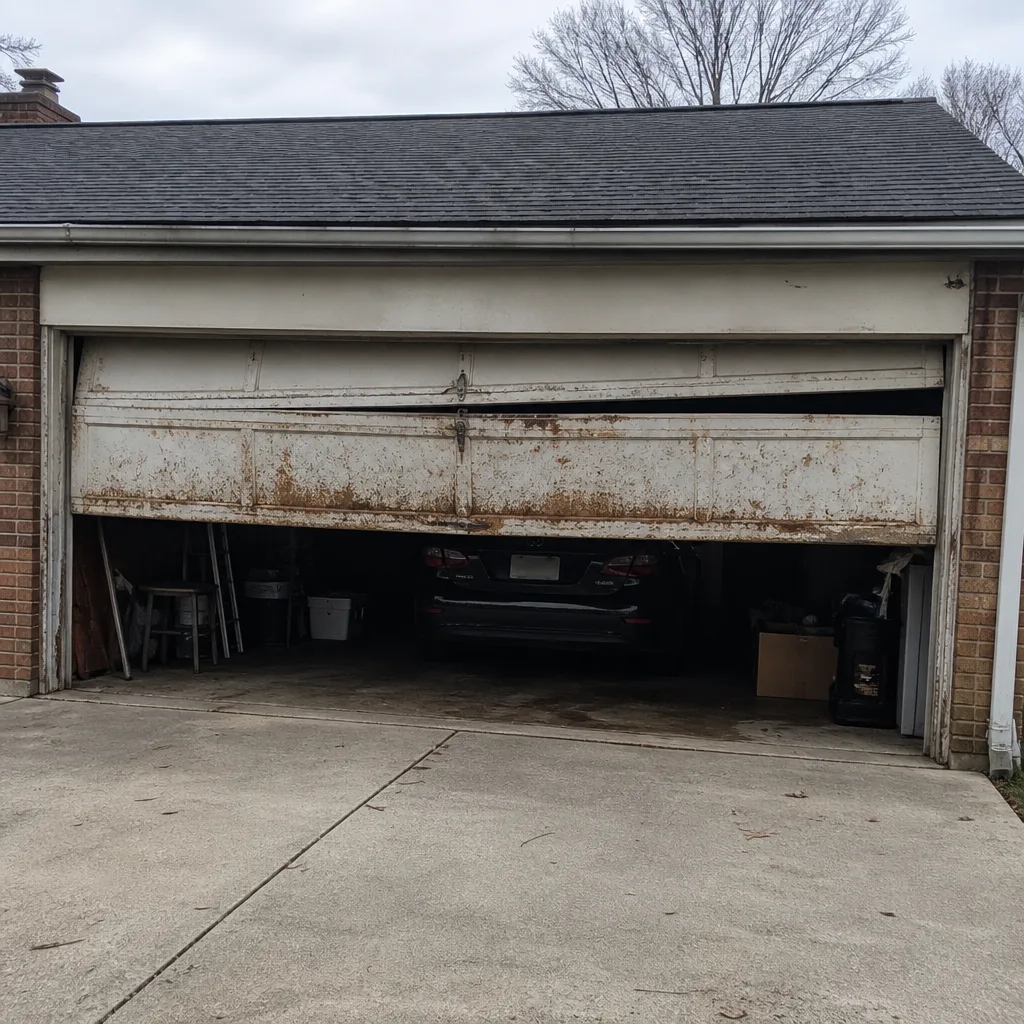
See the difference
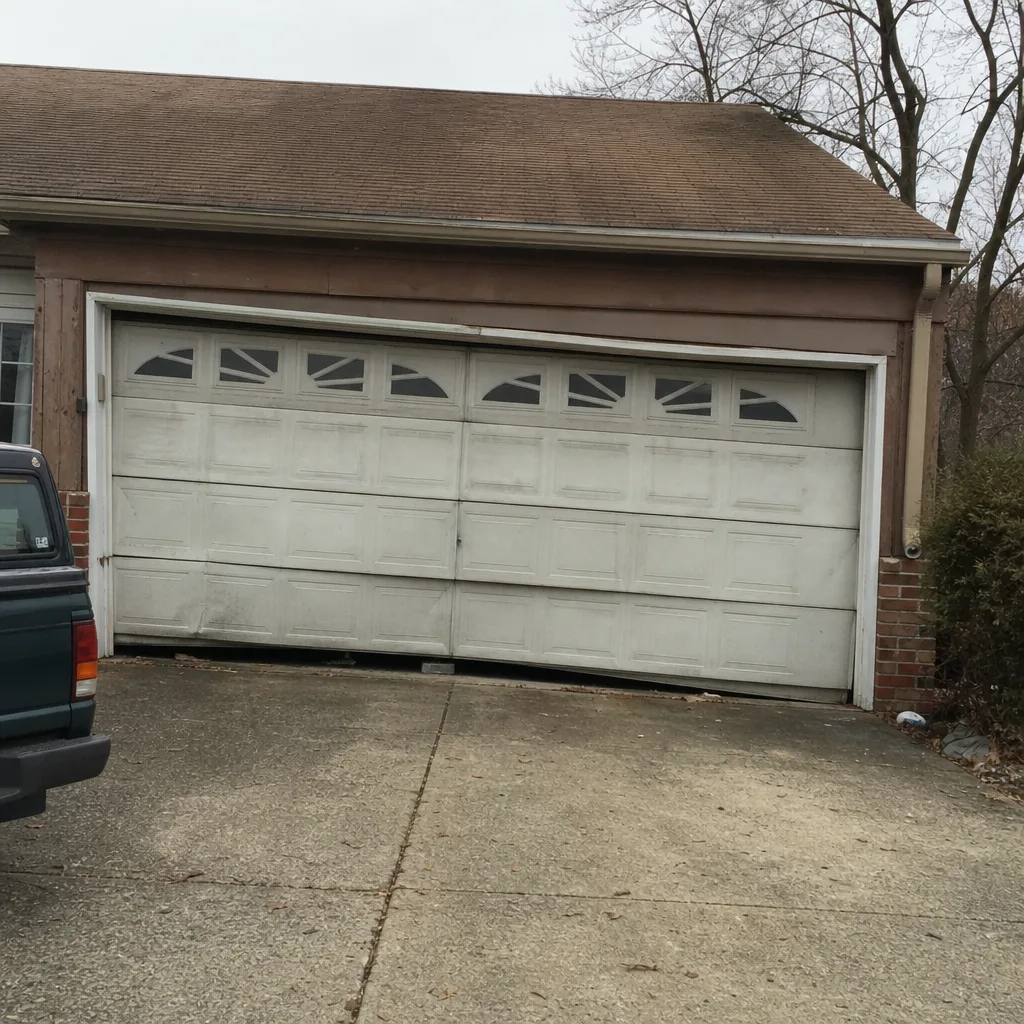 Before
 After
 Before
 After
 Before
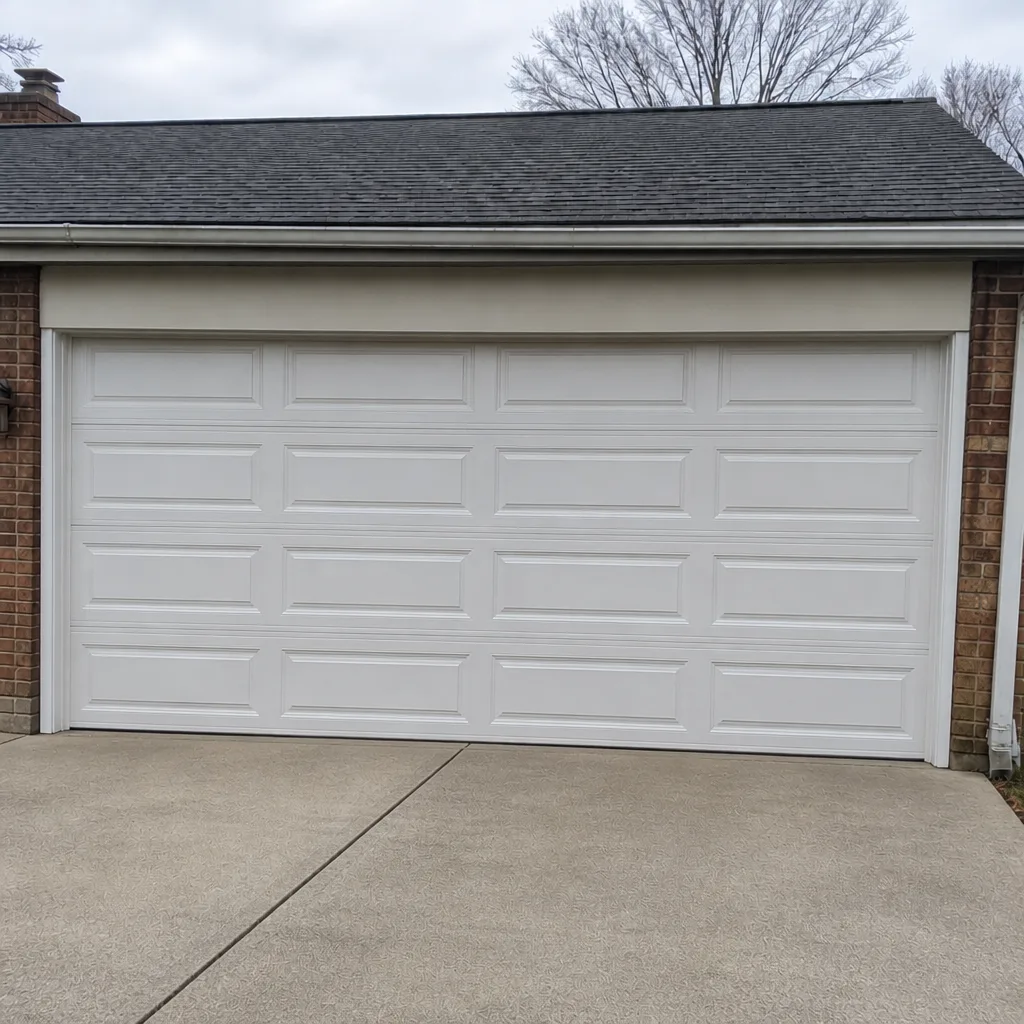 After
When to Call a Professional
Call a professional if the door is off its tracks, a spring is broken, a cable looks stretched or frayed, the door reverses on its own, the opener runs but the door doesn’t move, or any panel has been structurally damaged. Call if the door feels noticeably heavier than it used to, or if you hear a loud snap from the garage – a snapping sound is usually a broken spring, and the door shouldn’t be operated until it’s fixed. For anything involving the torsion spring or the cables, don’t attempt it yourself, at all.
Repairs of this kind are covered by garage door repair that a specialist can diagnose quickly because they work on the same systems, week in and week out. If your opener runs but the door won’t move, that’s a job for garage door opener repair, and if the door has gone slack or dropped, it’s garage door spring repair. Glen Burnie Garage Door Repair Pros offers free estimates in Glen Burnie – call (855) 550-7498. We answer 24/7, and fast dispatch runs from 7am to 7pm, Sunday through Friday.
Frequently Asked Questions
A new garage door in Glen Burnie is priced per job by the written estimate, and the right number depends on the door’s size, material, insulation, and the opener work that goes with it. On a repair, a single spring typically runs a modest figure, while a matched pair costs about twice that because both springs are usually replaced together. Call (855) 550-7498 for an exact quote – estimates are free, and the price is quoted and agreed before any work starts.
Yes. The price is quoted and agreed in the written estimate before any work starts, so there are no surprises after the technician has opened up the mechanism. If something changes once the door is opened – a hidden track issue, for example – you’ll hear about it first, and the number you approve is the one you pay.
Repair is usually the right call if the door structure is sound and one system has failed. Replacement becomes the better choice once the door is in its second decade and needs both mechanical and structural work, or when panels on an older model are no longer made. Ask for an honest split on the two options – that’s how we present it.
Yes, same-day spring repair is available when the schedule allows. Springs are a named service for us, and we carry the correct springs for the common door weights in this market. Never try to operate a door with a broken spring, and never attempt spring work yourself. Call (855) 550-7498 – we answer 24/7.
We’re factory-familiar with LiftMaster, Chamberlain, Genie, Clopay, Amarr, Wayne Dalton, Craftsman, and Raynor. That covers the substantial majority of the doors and openers installed in Glen Burnie and the surrounding county. Brand familiarity is why a repair is diagnosed on the first visit rather than the second.
We answer 24/7. A call outside dispatch hours is booked into the next opening, Sunday through Friday, 7am to 7pm. If a door has failed and can’t be safely used, don’t operate it – that call goes into the first available slot, and we’ll take care of it then.
The Bottom Line
Match the door to the climate, not to the showroom. In Glen Burnie that means galvanized steel or quality fiberglass over raw aluminum, an insulation rating suited to an attached garage, and a style that fits your house’s proportions rather than fighting them. Weigh lifecycle cost, not sticker price. Understand the system as a whole – springs, openers, tracks, panels, and smart tech – so you’re not making decisions in isolation. And leave the spring and cable work to a specialist, every time. Get those four things right and you’ll get a decade or more out of the door with almost no trouble.
From a snapped spring to a full new door and opener system, one call handles it. Call (855) 550-7498 for a free estimate on any garage door work in Glen Burnie. Our technicians have up to 8 years of experience, and every visit comes with a fast diagnosis, the correct parts, and a lasting fix.
Written by the team at Glen Burnie Garage Door Repair Pros.