
Last updated November 23, 2026
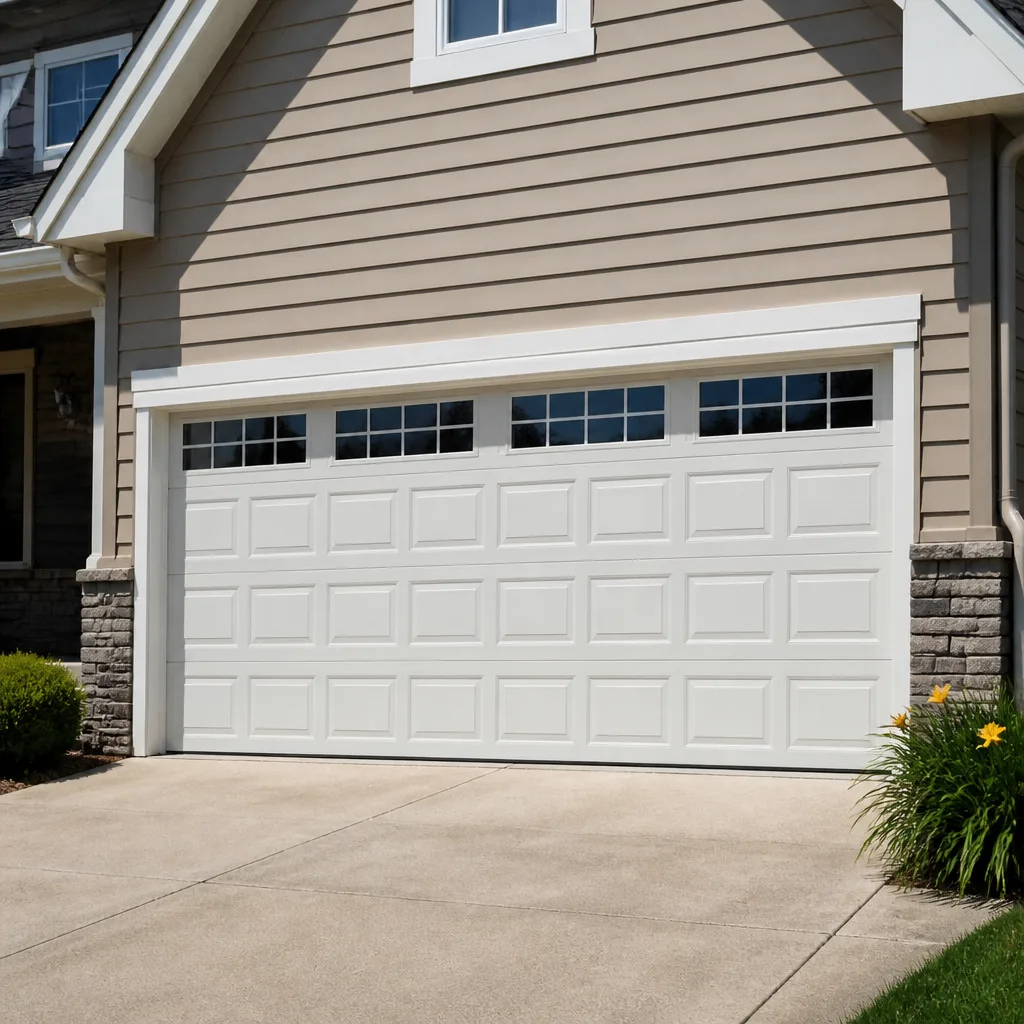 Raised-panel steel
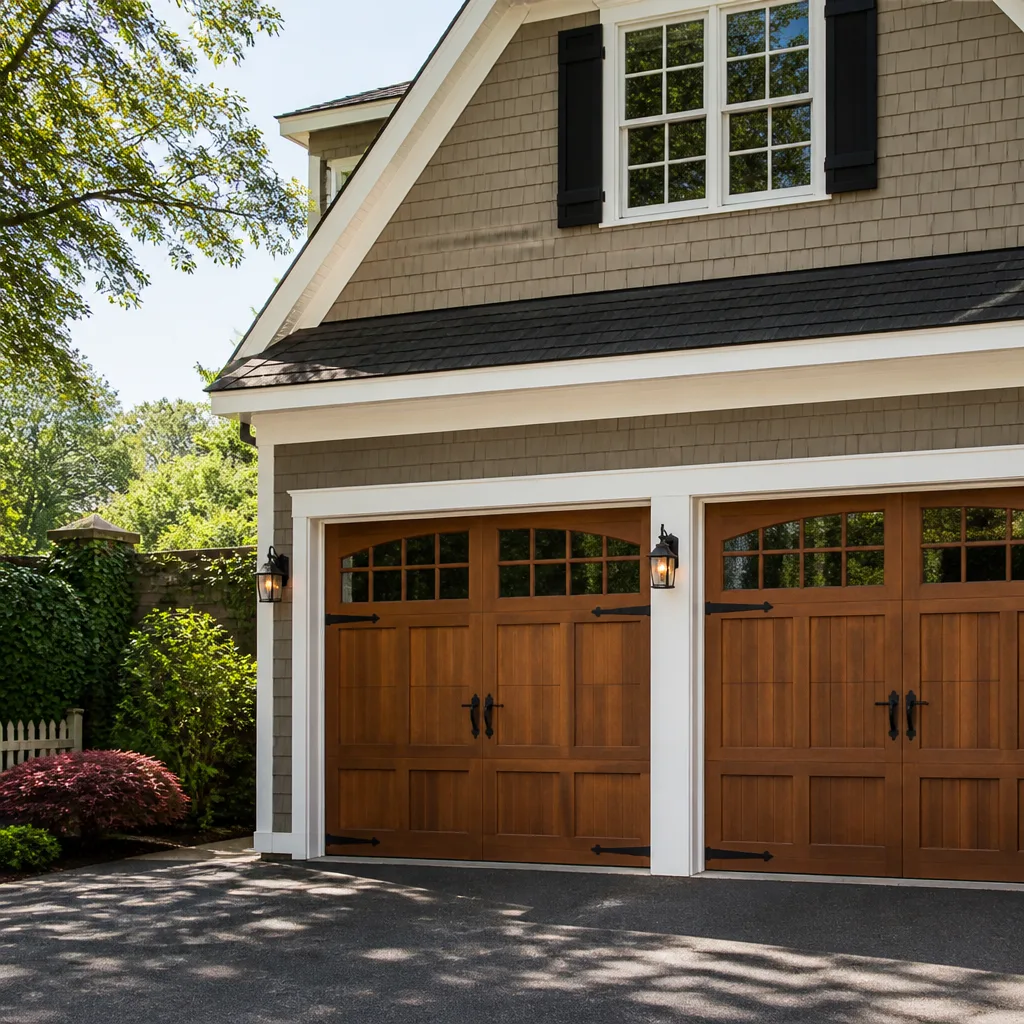 Carriage house
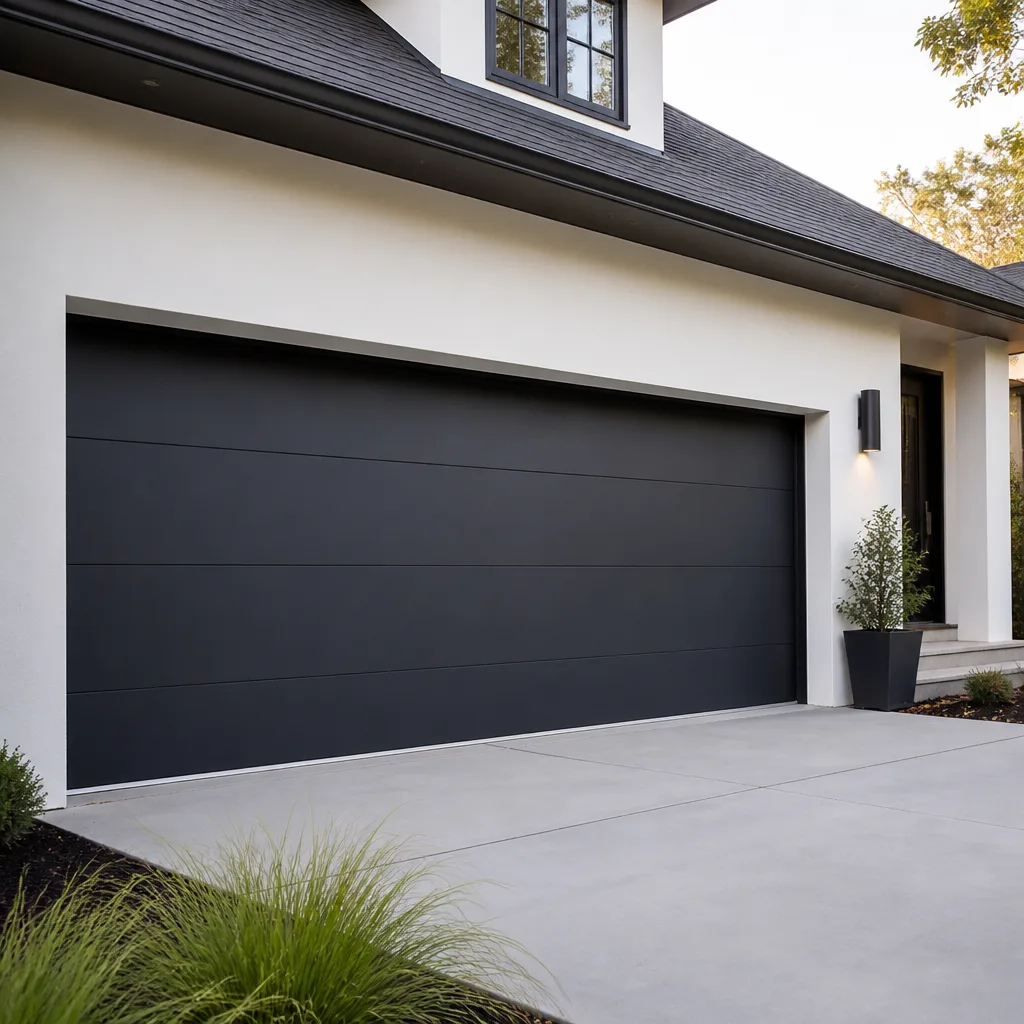 Modern flush
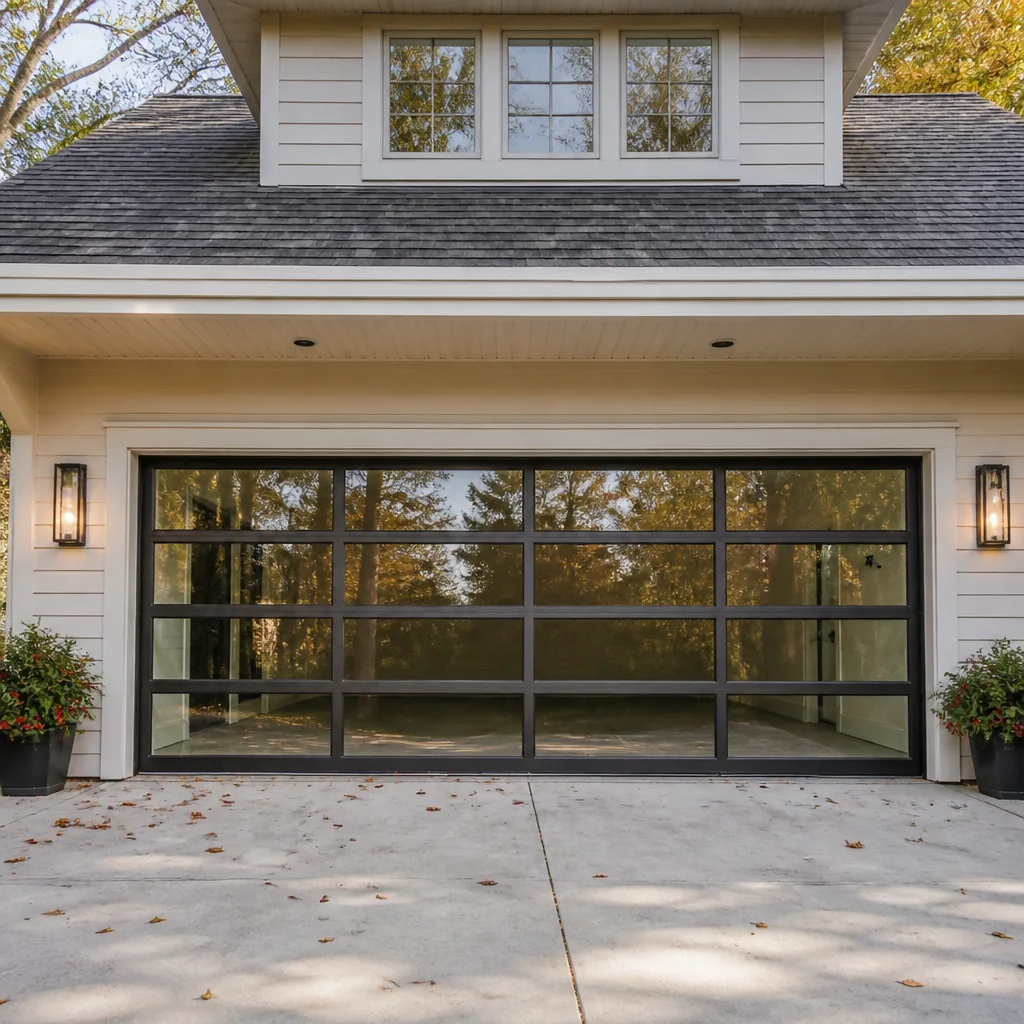 Full-view glass
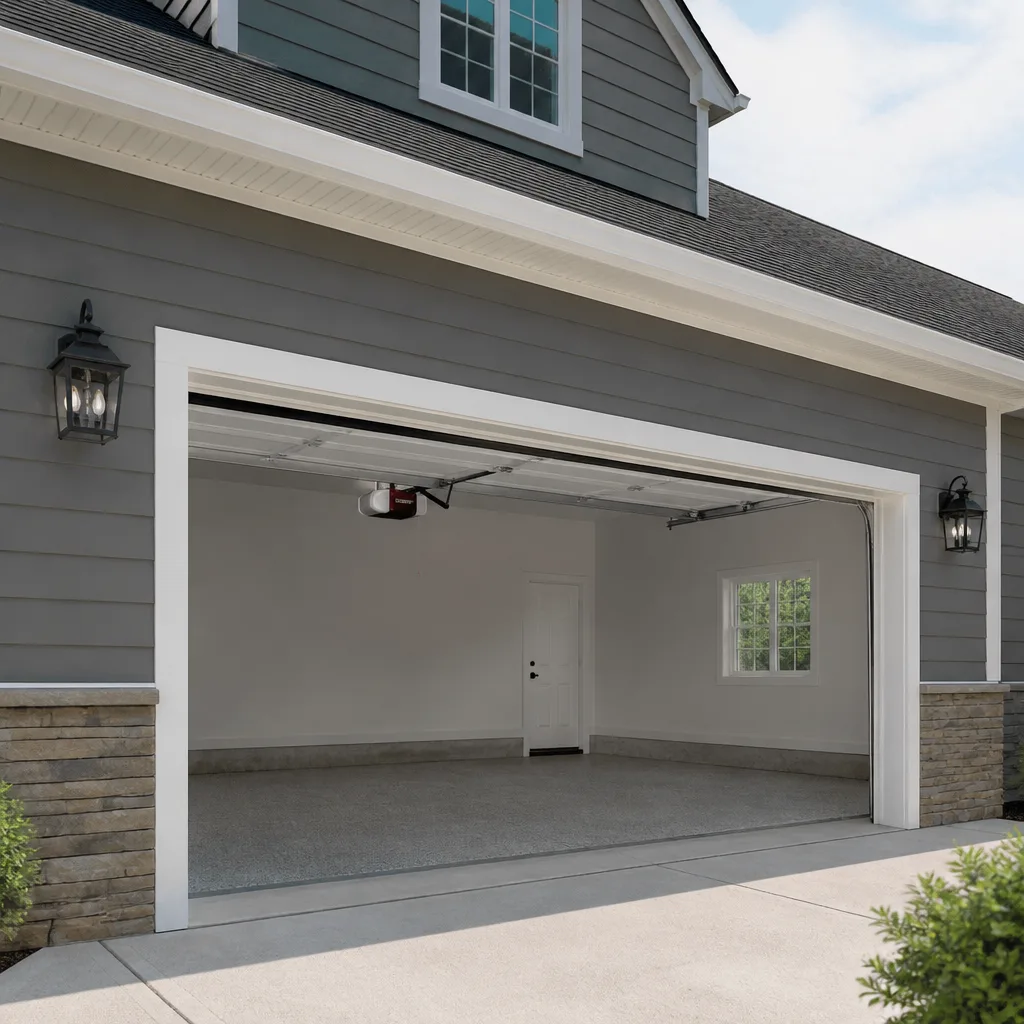 LiftMaster openers
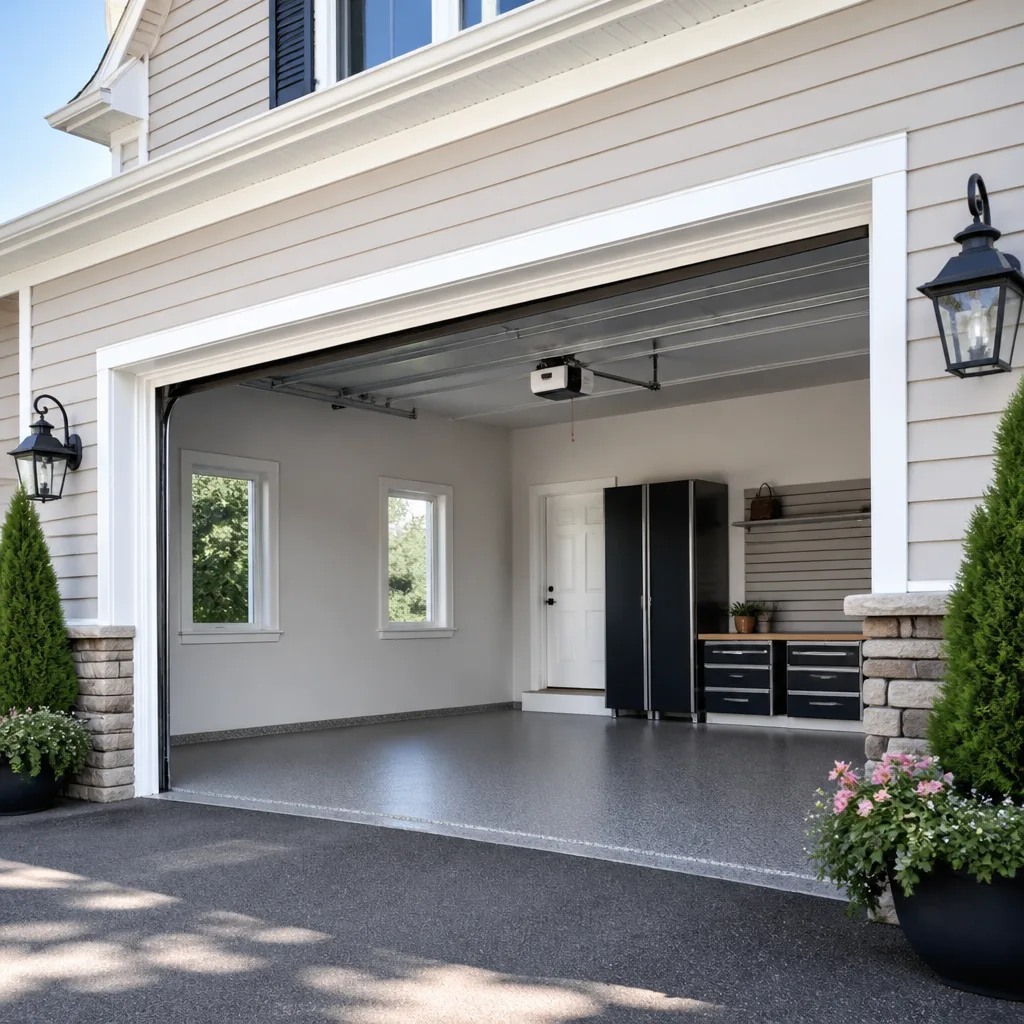 Chamberlain openers
Full 25-point door and opener safety check with every visit - springs, cables, rollers, tracks, and your LiftMaster or Chamberlain opener included
You get a price before we start. It does not change when the pro arrives.
Get your free estimateChoosing the Right Garage Door Brand: A Buyer’s Guide for Glen Burnie
Most homeowners pick a garage door brand the way they pick a car: by the badge on the front. That’s the wrong order. A brand that’s hard to get parts for turns a one-day fix into a week of waiting, and in Glen Burnie that waiting is a real thing homeowners live through when they bought on price from a manufacturer with thin regional distribution. What actually matters after the sale is parts on a shelf within driving distance, a dealer network that answers the phone, and a warranty that pays when something fails. This guide compares the brands that matter in this market on exactly those terms.
Quick Answer
The best garage door brand in Glen Burnie is the one whose parts you can actually get locally and whose warranty covers what breaks most: springs, hinges, and rust-through on the bottom section. Clopay, Amarr, and Wayne Dalton all have solid distribution through Anne Arundel County dealers, and Chamberlain or LiftMaster openers pair cleanly with all three. Premium brands buy you better steel and finish; they don’t automatically buy you faster repair.
Styles & brands we work with
- Raised-panel steel
- Carriage house
- Modern flush
- Full-view glass
- LiftMaster openers
- Chamberlain openers
Table of Contents
- Why Brand Choice Matters More After the Sale Than at the Showroom
- Parts and Dealer Availability by Brand in Anne Arundel County
- How to Read a Garage Door Warranty: Rust, Springs, and the Fine Print
- Steel Gauge and Finish: How Brands Hold Up to Glen Burnie Humidity
- The Opener Brand Question: Why Compatibility Beats Logo Loyalty
- Value, Mid-Tier, and Premium: Where the Quality Jump Is Real
- A Brand-by-Brand Look at the Lines We Work On
- A Step-by-Step Process for Choosing Your Brand
Why Brand Choice Matters More After the Sale Than at the Showroom
A garage door is one of the few things on a house that gets used multiple times a day, every day, for years. That repetition is what exposes a brand. The showroom shows you panels and glass. The fifth year shows you whether the bottom section has started to rust, whether the torsion spring held its tension, and whether the manufacturer still stocks the hinge you need.
Here in Glen Burnie, we see the difference constantly. A homeowner buys a door from a brand with no regional dealer support, a roller cracks, and suddenly the job stalls while someone tries to source a proprietary part from three states away. Compare that to a brand with a stocked local dealer, where the same roller is a same-day pickup.
The criteria that actually matter after installation come down to four things:
- Parts availability. Standard sizes and common hardware mean fast repairs. Proprietary panels and tracks mean waits.
- Dealer support. A manufacturer that backs its dealers makes warranty claims straightforward instead of adversarial.
- Warranty substance. Not the headline term, but what’s excluded from it.
- Opener compatibility. The door and the opener are one system, and mismatched brands create friction.
When we handle Glen Burnie Garage Door Repair Pros, these are the questions we’re asking before we ever quote a part: what brand is it, what’s the local support like, and how fast can we get what it needs.
Parts and Dealer Availability by Brand in Anne Arundel County
Parts availability is the single most practical difference between brands in this market. Anne Arundel County sits close enough to Baltimore and the DC corridor that major manufacturers maintain dealer coverage, but coverage isn’t uniform. Some lines are deeply stocked. Others are sold through big-box channels with no local service relationship at all, which is where the trouble starts.
Here’s how the landscape generally breaks down for the brands we work with:
- Clopay. Broad dealer network and widely stocked panels and hardware. Repair parts are usually easy to source locally.
- Amarr. Strong dealer presence and standard hardware that’s straightforward to replace. Good parts pipeline.
- Wayne Dalton. Widely distributed, though some models use proprietary components that take longer to source than standard parts.
- Raynor. Solid commercial and residential line with dealer support in the region, though less commonly stocked at the retail level.
- Craftsman. Common on older doors and openers. The brand has changed hands over the years, which affects parts continuity on some legacy models.
What this means for a Glen Burnie homeowner is simple. A door from a well-distributed brand usually means a repair happens in one visit. A door from a thin-distribution brand can mean a second trip and a longer wait, even for something as basic as a hinge or a roller. That gap is the entire argument for choosing brand with local support in mind.
One practical step before you buy: ask the seller which local dealer will service the door and whether that dealer stocks parts for the model. If the answer is vague, that’s your signal.
How to Read a Garage Door Warranty: Rust, Springs, and the Fine Print
Garage door warranties are written to sound generous and pay out narrowly. The headline term, often “limited lifetime,” almost never means what a buyer assumes. It typically applies to a specific component, usually the door sections against rust-through, and it excludes labor, springs, and hardware. Understanding the exclusions before you buy saves you an unpleasant surprise down the road.
Here’s what to check, in order of how often it actually matters:
- Rust-through coverage. Look at what triggers a claim. Usually it requires rust that penetrates the steel, not surface rust or paint failure. In a humid climate, surface rust on the bottom section is common; rust-through is not. The gap between the two is where most claims die.
- Spring warranty. Torsion springs are the most-stressed part of the system and often carry a much shorter warranty than the door. Some brands warrant springs for a defined cycle count rather than years. Read that number carefully.
- Labor exclusions. Almost all manufacturer warranties exclude labor. A covered part still means you pay for the technician’s time. Budget for that.
- Original-owner and transferability clauses. Many warranties only apply to the original purchaser and don’t transfer with the house. If you plan to sell, that matters.
- Finish and paint coverage. Some brands warrant the factory finish against peeling or fading; many don’t. Ask directly.
In our experience, the brands with the clearest warranty language are also the ones with the best local dealer relationships, because a dealer that handles claims regularly knows exactly what’s covered. When you’re weighing a door for Glen Burnie, a warranty you can actually file is worth more than a longer term you can’t.
Steel Gauge and Finish: How Brands Hold Up to Glen Burnie Humidity
Glen Burnie summers are humid, and that humidity does slow, steady work on a garage door. Steel gauge, the thickness of the door’s metal, is a real quality marker, but finish and coating matter just as much in a moisture-heavy climate. A thicker panel with a weak finish rusts before a thinner panel with a good galvanized or pre-painted coating. Field performance tells you more than a spec sheet.
What we observe across the brands:
- Premium lines from Clopay and Amarr tend to hold finish well, with multi-layer coatings and better pre-treatment on the steel.
- Wayne Dalton mid-range doors are solid performers, though the bottom section is where we see finish wear first in humid conditions.
- Value-tier doors often use thinner steel and a single-coat finish. Fine in a dry climate; more vulnerable here.
The bottom section is the tell. It’s closest to the concrete, gets the most moisture, and is the first place rust appears. If a door’s bottom section is a lower gauge with minimal coating, it’s the part you’ll be replacing first.
One thing we tell every Glen Burnie homeowner: whatever brand you choose, keeping the bottom section clean and dry and touching up any paint chips promptly adds meaningful years to the finish. That’s a maintenance habit, not a brand fix, and it costs almost nothing.
The Opener Brand Question: Why Compatibility Beats Logo Loyalty
Buying a good door and a good opener independently doesn’t guarantee a good system. The door and opener are one machine, and compatibility matters more than matching logos. The opener has to lift the door’s weight, work with its track and hardware, and match its balance. Get that wrong and you get a door that strains, an opener that wears out early, or both.
Practically, here’s how compatibility plays out:
- Weight and spring tension. The opener lifts a balanced door, not a heavy one. A door that’s correctly sprung works with almost any properly sized opener. An unbalanced door kills openers, regardless of brand.
- Safety features. Modern openers use safety sensors and force limits. These need to work with the door’s travel and stopping behavior, which is where a mismatched or poorly configured setup fails.
- Smart-home and remote compatibility. LiftMaster and Chamberlain share a common platform, and Genie has its own ecosystem. If smart control matters to you, that’s a reason to pick a brand, not an accident.
When a door and opener are mismatched, the symptom is usually strain: a motor that runs hot, reverses unexpectedly, or can’t hold the door. We see it often in Glen Burnie, and the fix is usually configuration and balance, not a new opener. That’s why we treat garage door opener repair as part of the door conversation, not a separate purchase.
Value, Mid-Tier, and Premium: Where the Quality Jump Is Real
The garage door market splits roughly into three tiers, and the honest truth is that the quality jump is real between value and mid-tier and much less dramatic between mid-tier and premium. Knowing where the money actually goes stops you from paying for a badge and helps you spend on the parts that break.
- Value tier. Thinner steel, basic hardware, shorter warranties. Adequate for a rental or a low-use door, but the finish and springs are the weak points in a humid climate.
- Mid-tier. Noticeably better steel and finish, standard hardware that’s easy to source, and clearer warranty terms. This is where the quality jump is real, and where most Glen Burnie homeowners land.
- Premium tier. Heavier steel, better insulation, and the best finishes. Worth it if you want a long service life and a warmer garage, but the gains over a good mid-tier door are incremental, not transformative. You’re paying for longevity and finish, and the returns diminish.
The place to spend up is insulation and finish if your garage is attached and holds temperature, and spring quality, because that’s the part that fails. The place to save is on badges. A well-finished mid-tier door from a well-distributed brand typically beats a premium door from a poorly supported one in day-to-day reliability.
A Brand-by-Brand Look at the Lines We Work On
We work across eight major manufacturers, and each has a personality. Here’s the short version that helps homeowners in Glen Burnie choose without wading through spec sheets.
- Clopay. Strong residential line with a wide range of styles and good local parts support. A dependable default for many homes.
- Amarr. Solid builder and mid-range doors with straightforward hardware. Good for standard sizes and fast repairs.
- Wayne Dalton. Broad lineup from value to premium. Watch for proprietary components on some models when it comes to parts.
- Raynor. Well-regarded for durability and commercial-grade construction. A good fit if you value longevity.
- Craftsman. Very common on older doors and openers; parts continuity varies by era, so check the model before assuming.
- LiftMaster and Chamberlain. The opener side of the equation, sharing a common platform with strong support. Pair either with a properly sized, balanced door.
- Genie. A reliable opener brand with its own ecosystem; good support, though smart-home features differ from the LiftMaster family.
Our technicians have up to 8 years of experience, and that shows most on the brand-specific details: which models use standard hardware, which use proprietary parts, and which are worth repairing rather than replacing. That familiarity is why we can diagnose fast and source the right parts without guesswork.
A Step-by-Step Process for Choosing Your Brand
Here’s how to choose a brand without getting lost in marketing. Work through these in order and you’ll land on a door you can actually live with.
- Set your real budget and needs. Insulation for an attached garage? A specific look? Decide what matters before you look at brands.
- Check local parts and dealer support. Ask which local dealer services the model and whether they stock parts. Thin support is a reason to walk away.
- Read the warranty exclusions. Confirm what rust-through coverage, spring coverage, and labor exclusions actually say. Ignore the headline term.
- Match the opener to the door. Pick an opener sized to the door’s weight and balance. Don’t buy two “good” brands independently and hope they cooperate.
- Compare steel gauge and finish. Prioritize finish and insulation over a thicker panel with a weak coating.
- Get it measured and quoted. Have the door measured on site and get a written price for the exact model before ordering.
For the repair side of any of this, we handle garage door repair across all these brands, and for the highest-risk job in the trade, garage door spring repair, the brand matters less than the technician’s training. Torsion springs are under high tension; adjusting or replacing them is not a homeowner job. We recommend a trained professional for anything involving springs or cables.
Common Mistakes to Avoid
- Buying on price alone. A cheap door from a thin-distribution brand can cost more over time in parts delays and premature repairs than a mid-tier door from a well-supported brand.
- Ignoring the warranty fine print. “Limited lifetime” often covers rust-through only, excludes labor, and requires the original owner. Read the exclusions, not the headline.
- Matching logos instead of systems. A door and opener from the same brand aren’t automatically compatible; weight, balance, and safety features matter more than the badge.
- Overlooking the bottom section. In Glen Burnie’s humid summers, the bottom panel is where finish fails first. Check its gauge and coating, not just the panels higher up.
- Skipping local parts checks. Before you buy, ask which local dealer stocks parts for the model. No answer means no fast repair later.
- Paying for a name at the premium tier. Premium buys longevity and finish, not reliability guarantees. Spend up on springs and insulation instead.
- Attempting spring or cable work yourself. These carry high stored tension and can cause serious injury. Leave them to a trained technician.
See the difference
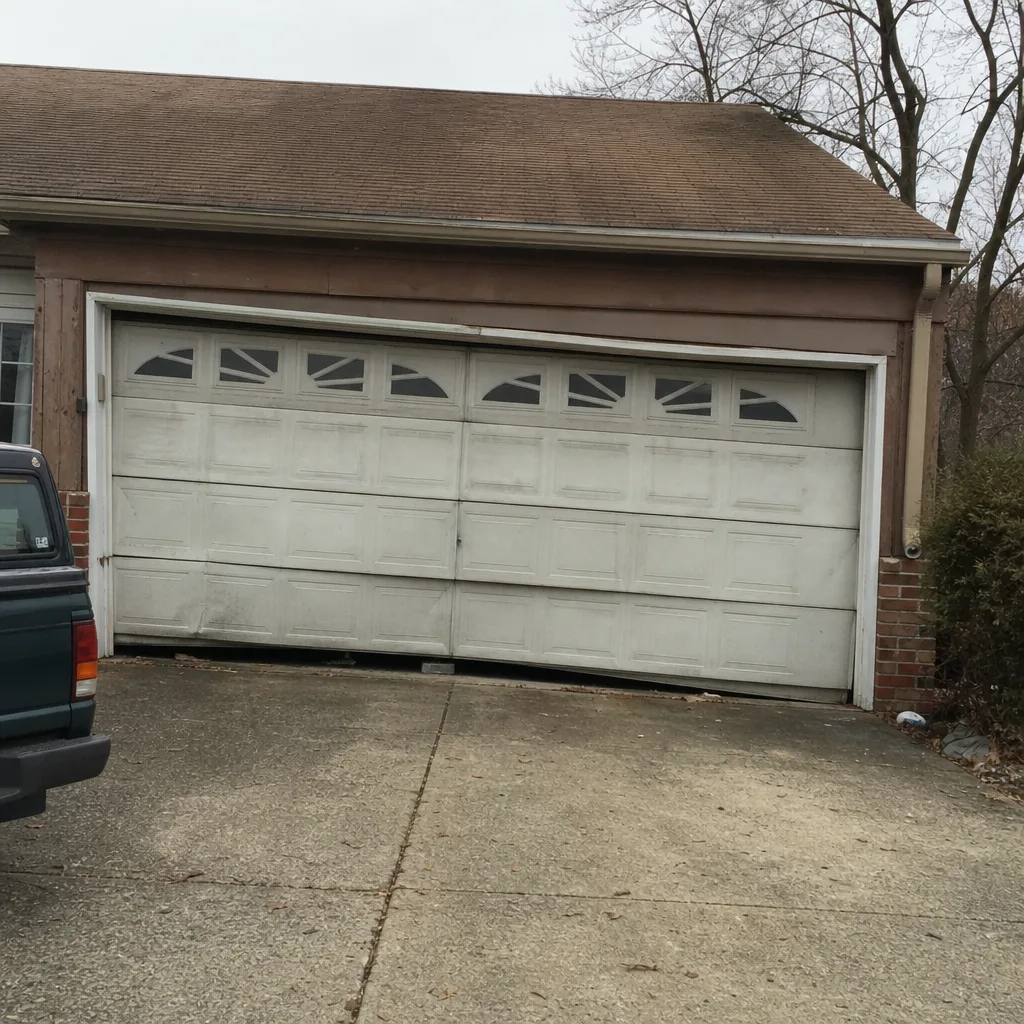 Before
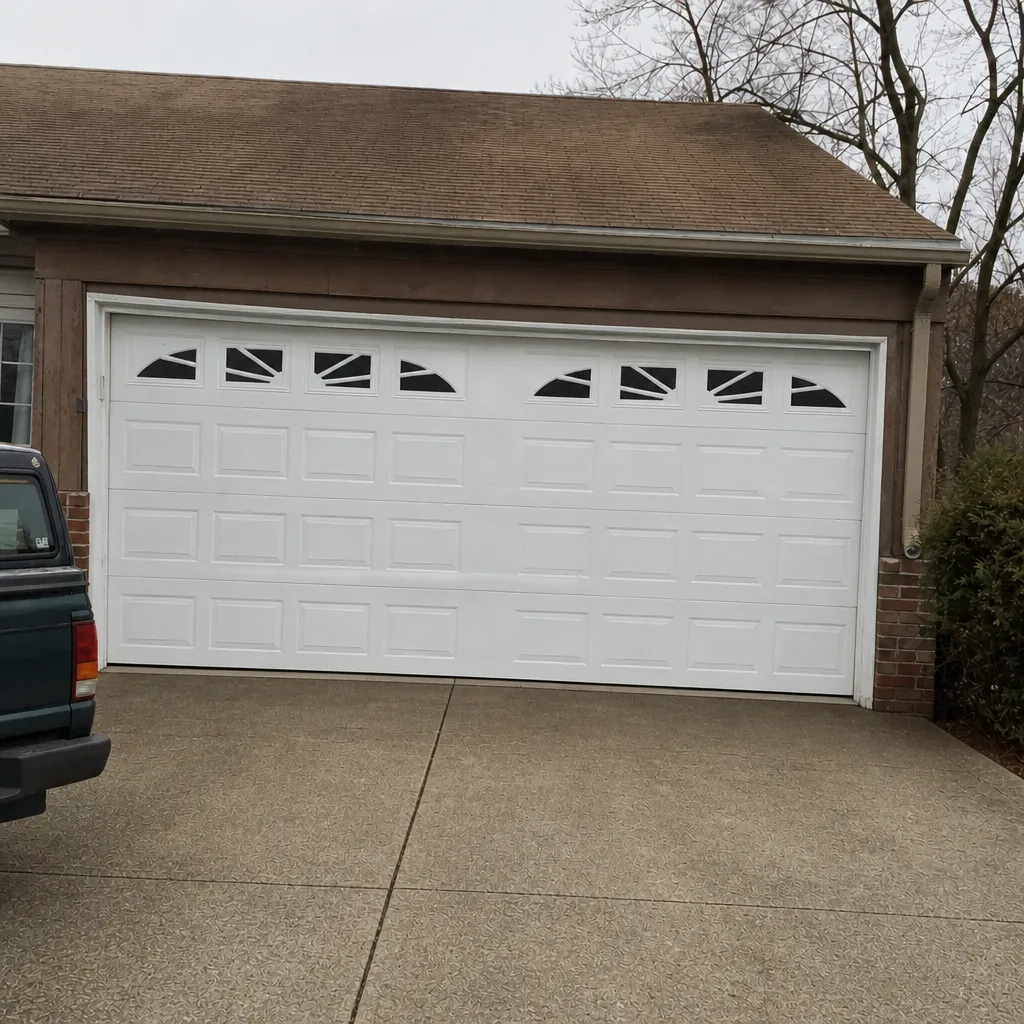 After
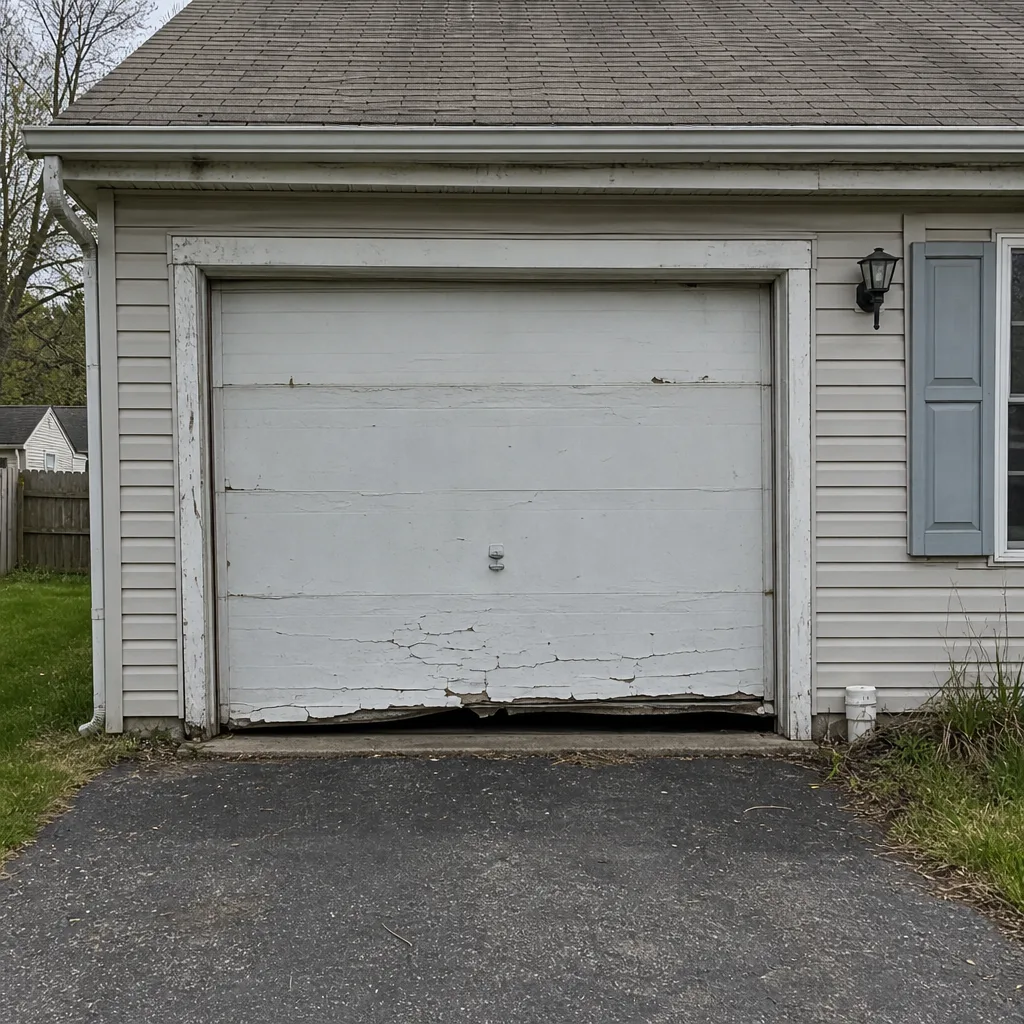 Before
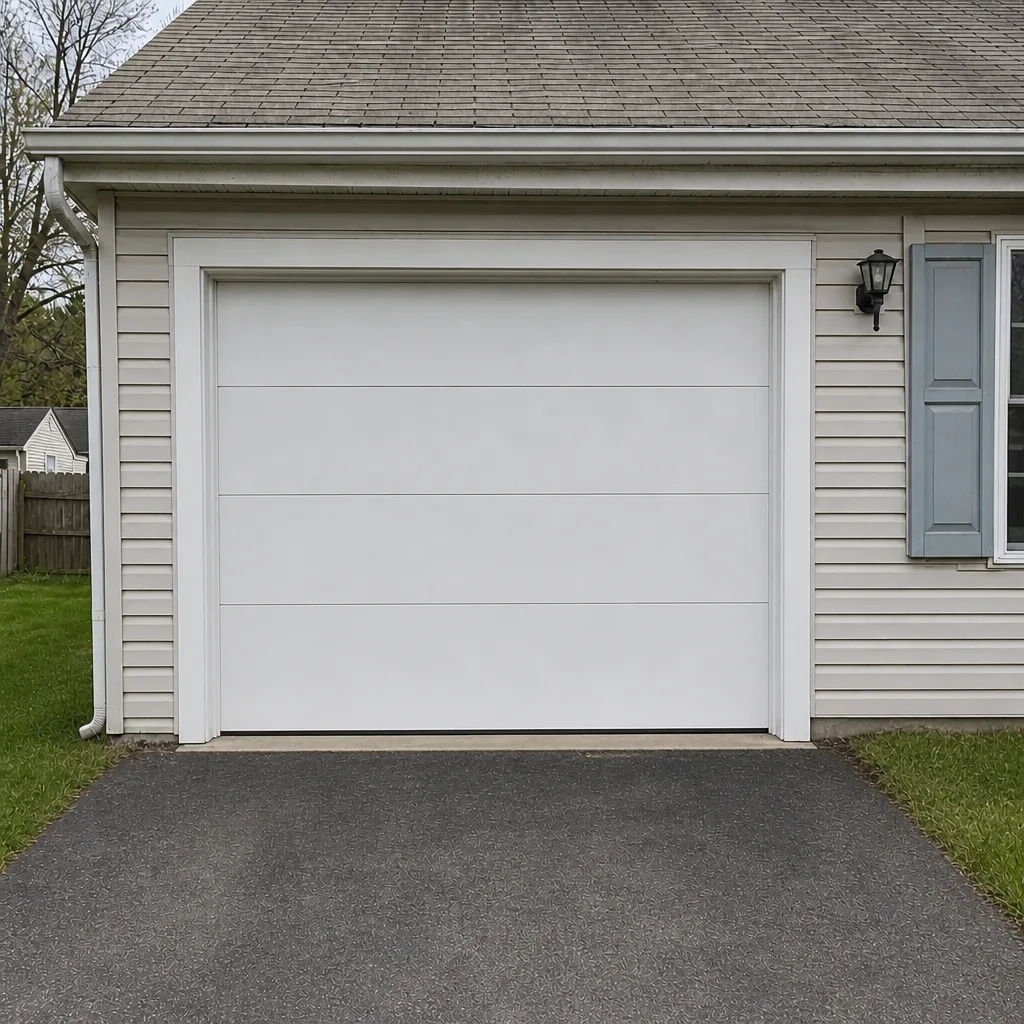 After
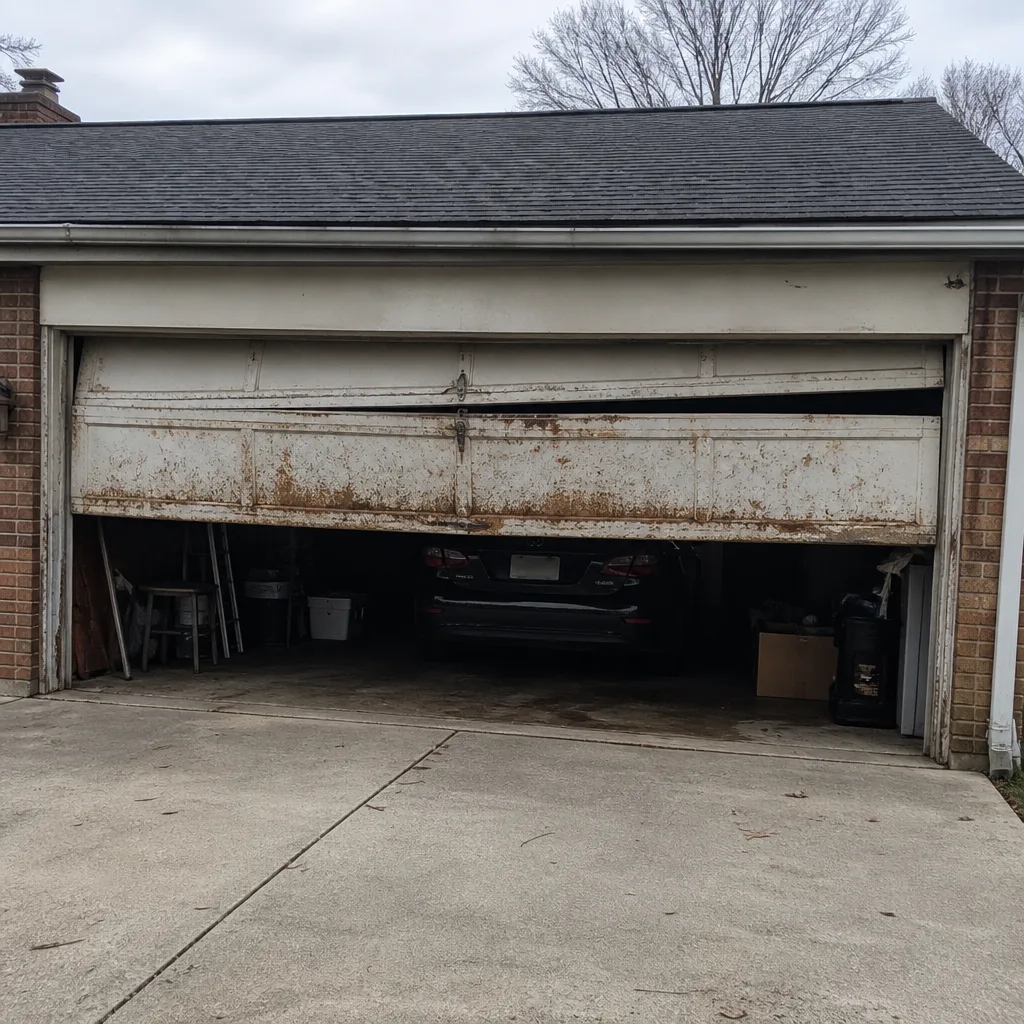 Before
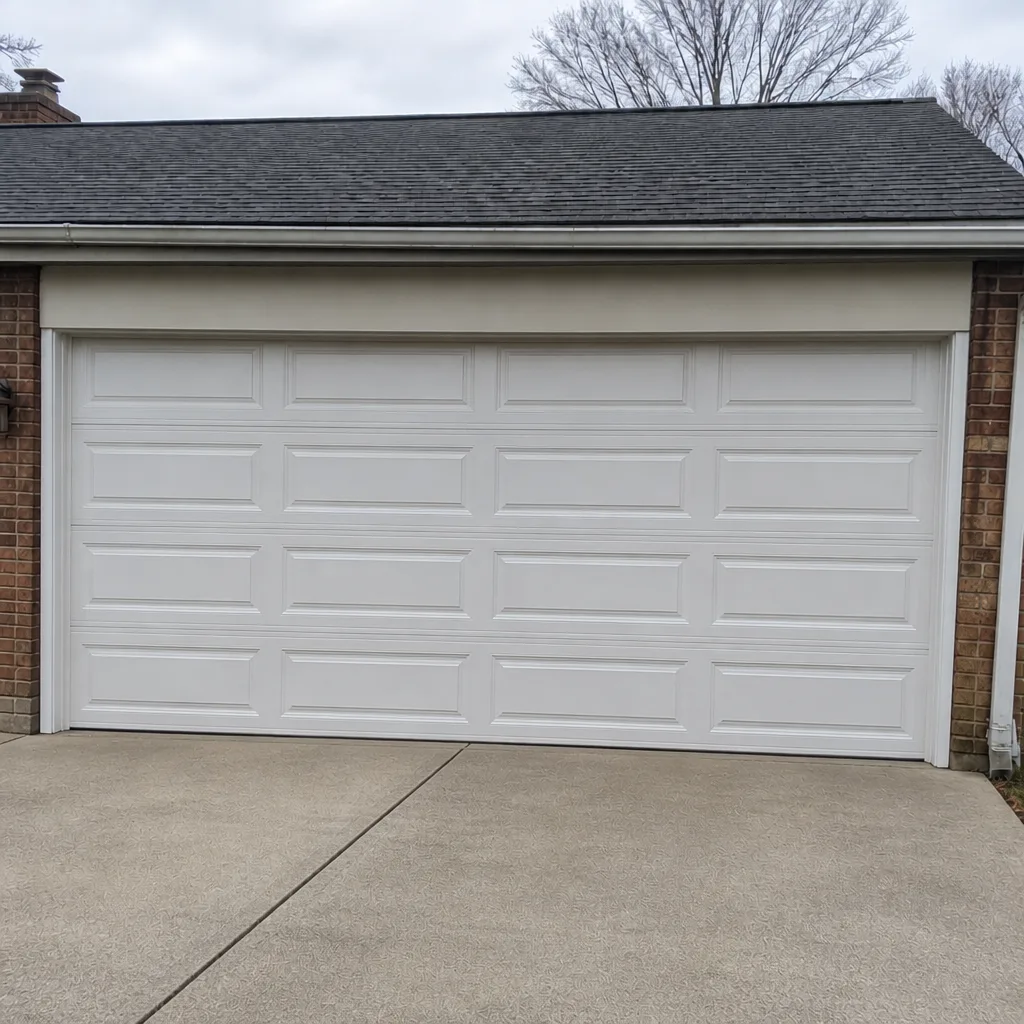 After
When to Call a Professional
Some brand and door decisions are worth talking through with someone who works on these systems daily. If you’re comparing brands and want to know which have real local parts support in Glen Burnie, call before you buy. If a door is straining, reversing unexpectedly, or running loud, that’s a balance or opener issue worth diagnosing. And if anything involves a broken spring, a dropped door, or a cable that has come loose, stop and call, because those carry high tension and can injure. Glen Burnie Garage Door Repair Pros offers free estimates in Glen Burnie; call (855) 550-7498. We answer 24/7. Fast dispatch from 7am to 7pm, Sunday through Friday.
Frequently Asked Questions
For most Glen Burnie homes, a mid-tier door from a well-distributed brand like Clopay or Amarr is the smartest choice, paired with a properly sized LiftMaster or Chamberlain opener. The best brand is the one with local parts support and clear warranty terms, not necessarily the most expensive one.
Yes, brand affects repair speed more than almost anything else. A door from a well-distributed brand usually means the needed part is available locally and the repair happens in one visit; a thin-distribution brand can mean a longer wait while a part is sourced.
It’s worth it if you value a longer service life and a better finish, but the quality jump from value to mid-tier is bigger than from mid-tier to premium. Spend the extra on insulation and spring quality first, since those affect reliability most.
Yes, you can, and it’s a common pairing. Compatibility depends on the opener being sized to the door’s weight and the door being properly balanced, not on the two brands matching. Any properly sized opener works with a balanced door.
Glen Burnie’s humid summers push moisture against the bottom section, which sits closest to the concrete and takes the most water. That’s why bottom-section finish and coating matter so much when choosing a brand, and why touching up paint chips promptly adds years to the door.
No. Once we measure the door and quote the exact model, the written estimate sets the price. The quote and the price you agree to before any work starts is the number that applies. Call (855) 550-7498 for an exact quote; estimates are free.
The Bottom Line
Brand choice for a garage door isn’t about logo recognition. It’s about parts you can get locally, a warranty that pays for what actually breaks, steel and finish that hold up to Glen Burnie humidity, and an opener sized to the door. The quality jump from value to mid-tier is real; the jump from mid-tier to premium is thinner. Pick a mid-tier door from a well-distributed brand, read the warranty exclusions, and match the opener to the door’s weight. That, more than any badge, is what keeps a door working for years.
Call (855) 550-7498 for a free estimate. We answer 24/7. Fast dispatch from 7am to 7pm, Sunday through Friday.
Written by the team at Glen Burnie Garage Door Repair Pros.