
Last updated November 23, 2026
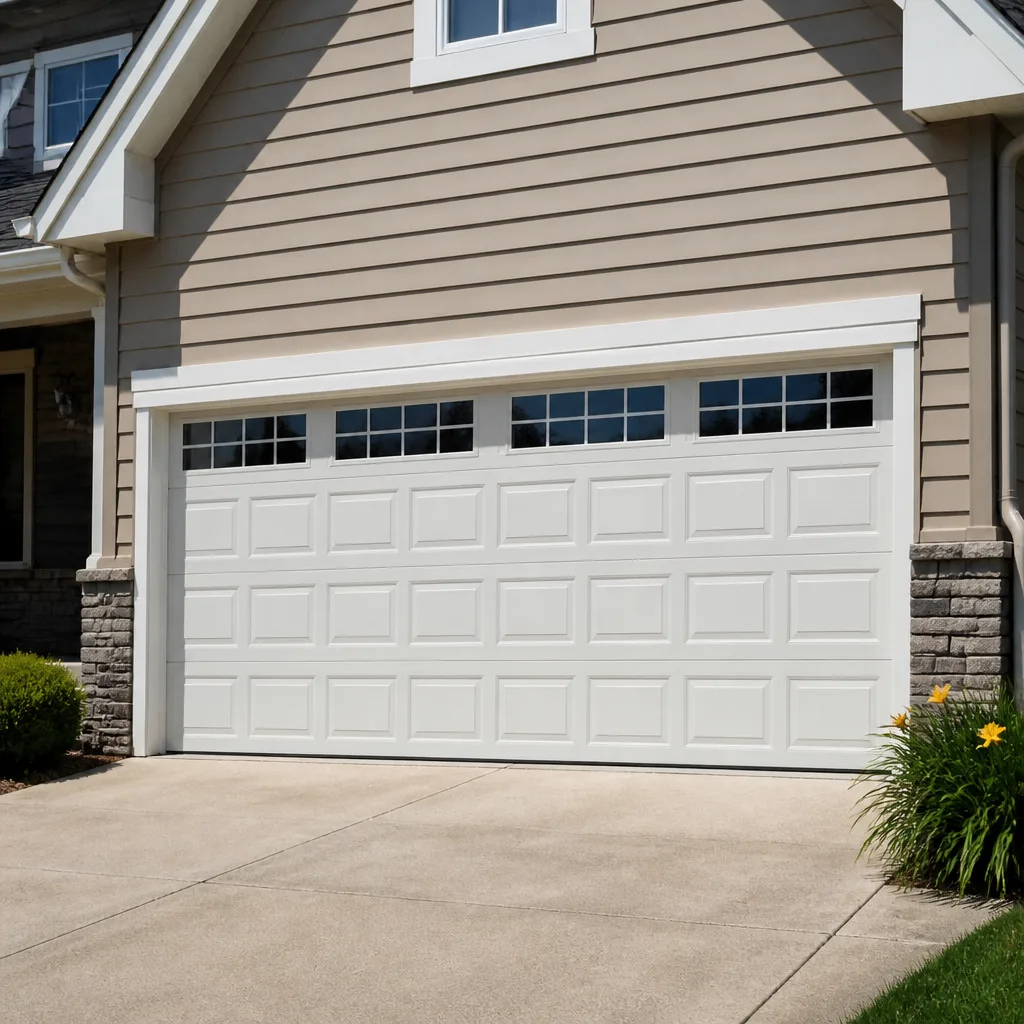 Raised-panel steel
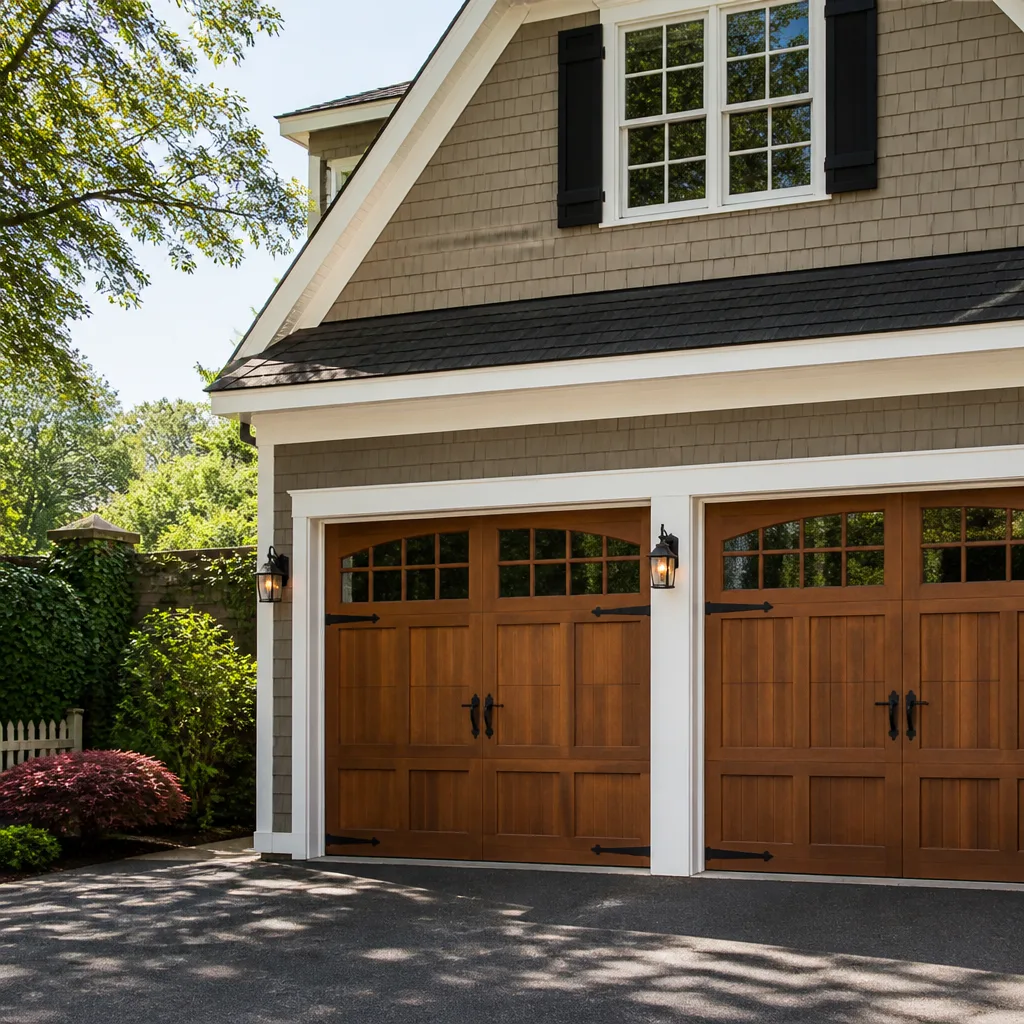 Carriage house
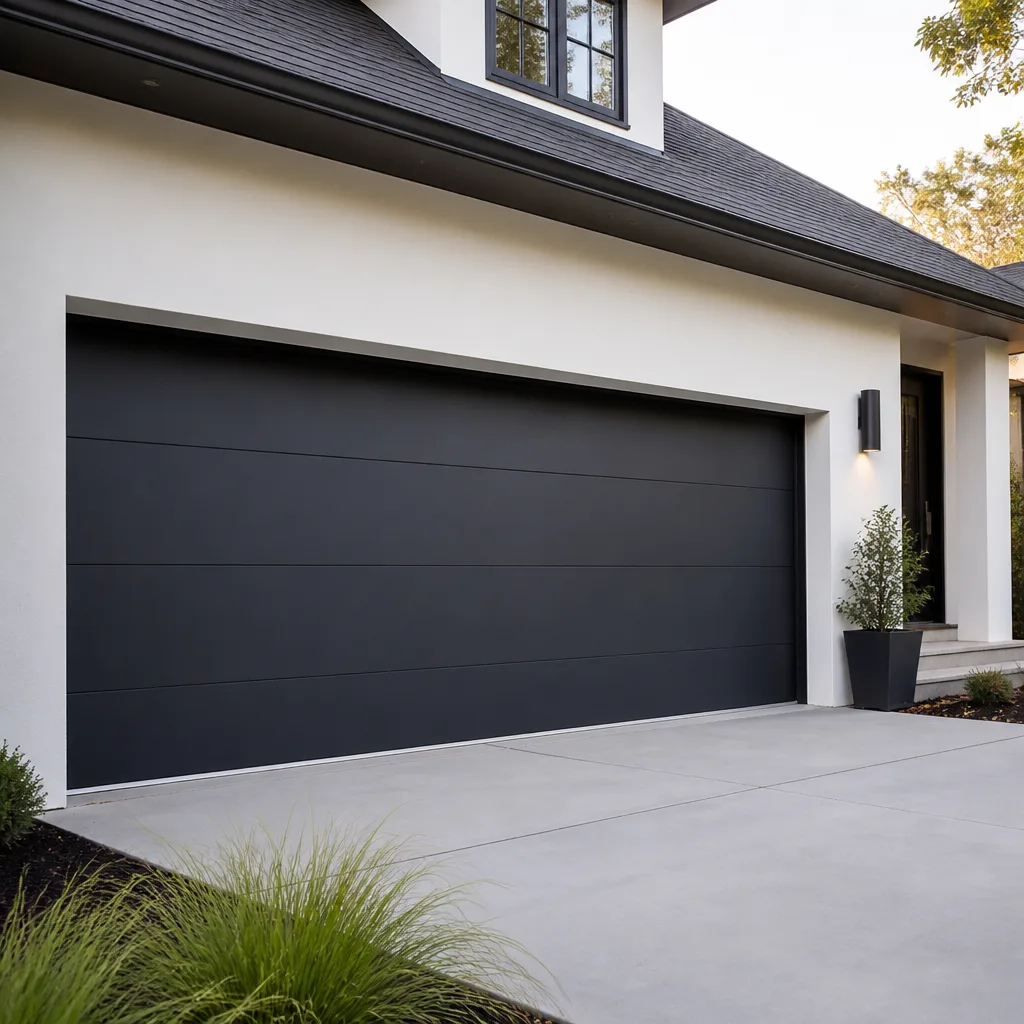 Modern flush
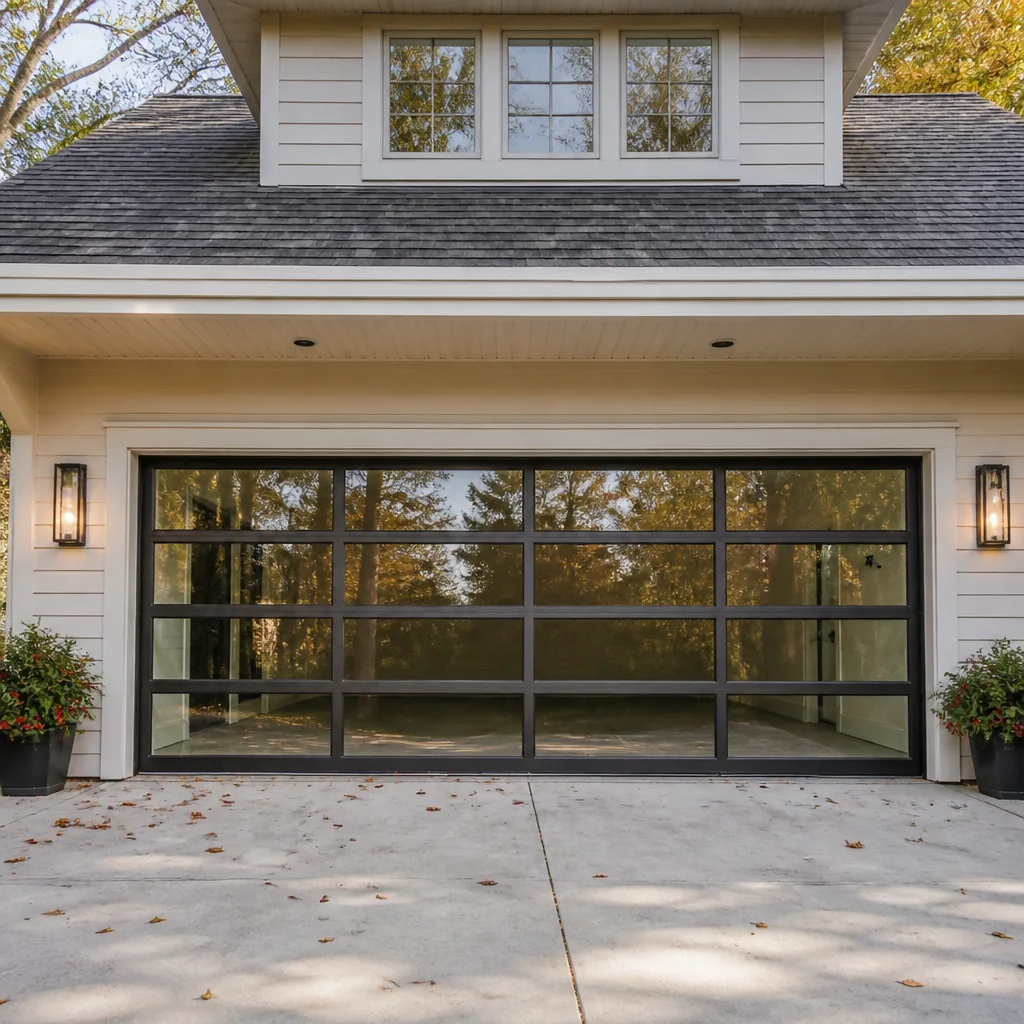 Full-view glass
 LiftMaster openers
 Chamberlain openers
Full 25-point door and opener safety check with every visit - springs, cables, rollers, tracks, and your LiftMaster or Chamberlain opener included
You get a price before we start. It does not change when the pro arrives.
Get your free estimateSeasonal Garage Door Care for Glen Burnie: Year-Round Homeowner’s Guide
October matters more than January for your garage door in Glen Burnie. That sounds backwards, but it’s how the hardware actually behaves. By the time the first hard freeze settles over Anne Arundel County, the conditions that cause a mid-winter spring snap or a door that stops halfway have already been set in motion months earlier: seals that shrank in the fall dry air, weatherstripping that cracked during a wet September, rollers that gummed up in July humidity and never got cleaned. The cold doesn’t create those failures. It reveals them. This guide walks through what each Glen Burnie season does to a door and which tasks actually matter in each one, including the single ten-minute job per season that adds years to the whole system. Whether your door runs on a LiftMaster or a Genie opener, the physics are the same.
Quick Answer
The most important seasonal garage door task in Glen Burnie is a fall inspection before the first freeze, focused on bottom weatherstripping, door balance, and hardware lubrication, because that prep prevents the winter failures caused by Maryland’s freeze-thaw cycling. Summer care centers on reducing humidity damage to wood and wood-look panels, and a spring audit after the last freeze catches the damage winter left behind before it turns into a repair. Each season has one under-ten-minute task that matters more than the rest.
Styles & brands we work with
- Raised-panel steel
- Carriage house
- Modern flush
- Full-view glass
- LiftMaster openers
- Chamberlain openers
Table of Contents
- Why Fall Is the Highest-Leverage Season
- Winter: Freeze-Thaw and What It Does to Seals
- Spring: The Post-Winter Audit
- Summer: Humidity, Wood Panels, and Track Drift
- The One Task Each Season That Takes Under 10 Minutes
- How to Choose Weatherstripping That Survives a Maryland Winter
- Common Mistakes to Avoid
- When to Call a Professional
Why Fall Is the Highest-Leverage Season
The fall inspection window in Glen Burnie runs from roughly early October through the first hard frost. That gap is short. Once overnight temperatures start dropping into the twenties, every component that wasn’t checked gets one chance to fail under load with cold metal, and that’s when a call for garage door repair goes up.
Here’s what a fall inspection is really doing. It’s confirming the door’s mechanical system can handle a temperature swing of forty degrees or more between an afternoon and an overnight low. Those swings are normal for this part of Maryland, and they work every spring, cable, and hinge on the door at the same time.
The specific hardware checks that prevent January failures:
- Spring tension under load. A torsion spring that lifts the door easily in sixty-degree weather may struggle at twenty-five degrees. If the door feels heavy when you lift it by hand (with the opener disconnected, and only if you can do it safely), the spring has already lost tension. That’s a sign it’s near the end of its travel.
- Bottom seal contact. With the door closed, look at how the bottom rubber meets the concrete. Any daylight means cold air and moisture are already getting in, and a gap that’s minor now becomes a frozen seal by January.
- Roller condition. Nylon rollers that have flattened or steel rollers with worn bearings let the door shift in the track. Cold tightens every tolerance, and a roller that’s borderline in October will bind in December.
- Hinge and track fastener tightness. Loose bolts that rattle in warm weather loosen further through freeze cycles. A quick check with a socket saves a repair call.
- Opener force and safety reversal. The opener’s safety reverse test matters more in winter, when a car may not be sitting where you expect. Test it before the season turns.
If any of those checks flag a problem, address it in October. A spring or a bottom seal replaced in fall costs far less than a cold-weather emergency repair, and you’ll find this reflected in our garage door spring repair approach: catch it before the failure, not after.
Winter: Freeze-Thaw and What It Does to Seals
Most people assume cold alone wears out garage door weatherstripping. In Glen Burnie, it’s the freeze-thaw cycle that cracks bottom seals faster than sustained cold ever will. Here’s why that matters: a single week in January might see the driveway edge around your door go from frozen solid at 7am to meltwater at 2pm and back to frozen by evening. Water that gets behind the bottom rubber expands when it freezes, pries the seal away from the door, melts, and the gap grows. Repeat that a dozen times across a winter and a seal that was intact in November is split and sagging by February.
What to watch for during the cold months:
- Bottom seal cracking. Run your hand along the rubber at the lowest point. If it feels brittle, has visible splits, or is pulling away from the aluminum retainer, it needs replacement before wet weather returns.
- Ice dams at the threshold. Melting snow that refreezes in the track channel or against the bottom seal pushes water into the door’s path. Keep the driveway edge clear so meltwater drains away.
- Frozen rollers in the track. If the door shudders or grinds in cold weather, the rollers or track channel may have moisture freezing inside. Never force a stuck door, since that can snap a cable or spring.
- Cable wear at the drums. Cold makes the steel cable less flexible, and any fraying becomes more dangerous. Cables and springs are the high-tension parts of the system and not a homeowner job.
One safety note worth repeating all winter: springs and cables on a garage door are under very high tension, and a cold-failed spring can release that energy with serious injury potential. We handle those repairs as a standard, named service. Don’t attempt to replace a spring, tension a cable, or reset a torsion bar yourself, no matter how clear the videos look.
Spring: The Post-Winter Audit
Once the last freeze is behind the season, the door often seems fine. It opens and closes, so most homeowners skip a check entirely. That’s the mistake. Winter leaves small damage that runs quietly for months before it announces itself, and the post-winter audit is where you catch it.
Here are the five things to check after the last freeze, in order:
- The bottom seal, end to end. Freeze-thaw cracking that started in January shows up completed by April. Look for splits, gaps, and anywhere the seal has pulled loose from its retainer.
- Door balance. Disconnect the opener and lift the door halfway by hand. It should stay roughly where you put it with light effort. If it drops on its own or feels heavy, the springs are telling you something.
- Track alignment. Stand inside the garage and sight along both vertical tracks. They should look parallel and straight. Any bowing, denting, or shift at the bottom bracket is worth a professional look.
- Panel seals and glazing. If you have windows in the door, check the caulk around the glazing and the seams between panels. Winter contraction opens tiny gaps that let water in, and by summer that shows up as a warped or swollen panel.
- Opener function and safety reverse. Test the opener’s auto-reverse on an object placed in the door’s path. The opener also needs its own check-in during the year, and it’s a common spring topic for garage door opener repair calls.
If the audit turns up nothing, that’s a good spring. Most doors in Glen Burnie need at least one item addressed from that list each year. The ten-minute version of this is simply standing in the garage and looking at the door as it opens and closes, slowly, once.
Summer: Humidity, Wood Panels, and Track Drift
Glen Burnie’s summer humidity does its own kind of damage, and it’s slower and less obvious than winter freezing. Wood door panels and wood-look composite panels absorb moisture from the air. As they do, they swell, and they don’t swell evenly. One edge of a panel picks up more moisture than another, and over a season that pushes the panel slightly out of alignment. The panel isn’t the only thing that moves: as the door sits in the track day after day, a swollen panel puts pressure on the rollers and the vertical tracks on that side.
What summer humidity sets in motion:
- Panel swelling and binding. A wood or composite door that opens a little harder in August than it did in May is showing you swelling. The fix isn’t to force it, but to find where it’s binding.
- Track drift. As panels push outward against the tracks over a summer, the vertical tracks can drift slightly out of plumb. The door starts to rub on one side and the rollers wear faster.
- Paint and finish failure on wood doors. Any bare or checked paint spot on a wood door becomes an entry point for moisture. Repainting a small patch in June is cheaper than replacing a panel in September.
- Corrosion on hardware (interior moisture). High indoor humidity in an unconditioned garage rusts hinges and snaps. A light application of garage door lubricant on the moving parts reduces this.
The best summer habit for wood and wood-look doors is to keep the painted or sealed finish intact. For steel doors, it’s a quick clean and a light lubricant on the rollers, hinges, and spring coils. Everything in a garage door system wants to move smoothly, and summer is when the moving parts get sticky.
If the door is already rubbing or hesitant, the underlying issue might be the opener’s motor straining against a swollen panel. Our garage door opener repair service can distinguish a door problem from an opener problem, which matters because they look identical from the driver’s seat.
The One Task Each Season That Takes Under 10 Minutes
You don’t need to hire anyone for these. Each takes under ten minutes and together they’re the single most reliable way to add years to a door’s life here in Glen Burnie.
- Fall (10 minutes): check the bottom seal edge. With the door closed, run your hand along the bottom rubber from one side to the other. Anywhere it feels brittle, split, or sits away from the floor, note it. Replacing a bottom seal before winter prevents the freeze-thaw damage described above. This one task, done in October, is the highest-value ten minutes of your garage door year.
- Winter (5 minutes): clear the track and threshold. Look at the floor where the door lands and the track channels. Clear any ice, salt, or debris so the door seats fully. A door that can’t close flush all winter compresses the bottom seal unevenly and shortens its life.
- Spring (10 minutes): do the door balance test. Disconnect the opener and lift the door to waist height. If it stays put with light effort, the springs are healthy. If it falls or feels heavy, that’s your cue to call.
- Summer (10 minutes): lubricate the moving parts. A garage door lubricant on rollers, hinges, and spring coils (avoid the track, which should stay dry) keeps the whole system quiet and reduces binding from summer swelling. Wipe off any dirt first.
That’s a half hour across the entire year. In our experience, doors that get those four checks tend to last noticeably longer than doors that don’t, and the calls that come in for them are simpler to solve.
How to Choose Weatherstripping That Survives a Maryland Winter
Bottom weatherstripping is the cheapest part of a garage door system and the one that takes the most seasonal abuse in Glen Burnie. Get the material right and it lasts several winters. Get it wrong and it fails by February.
What to look for:
- EPDM rubber or vinyl over foam-filled. Solid EPDM rubber holds up to freeze-thaw cycles far better than foam-core weatherstripping, which absorbs water and then cracks when it refreezes. Foam-core seals are cheaper, but they don’t last through a Maryland winter.
- Retainer style matters. A seal held in an aluminum retainer stays put better than a nail-on or adhesive strip. If your door has an aluminum bottom retainer, it’s easy to swap the rubber in and out.
- Check the threshold too. If the concrete under the door has cracks or a low spot, no seal will sit flush. A threshold repair or a thicker seal may be needed.
- Match the seal to the door. Clopay, Amarr, and Wayne Dalton doors each use different bottom retainer profiles. Getting the seal that’s made for your door saves you the “close enough” fit that leaks by spring.
When you buy a new bottom seal, bring the old one or the door’s brand to the conversation. If you’re not sure of the door brand, the brand name is usually stamped on the opener or on the bottom bracket. LiftMaster, Chamberlain, and Genie openers all have their names printed on the rail or housing. If you can’t find a nameplate anywhere, our team can identify the door during an inspection.
Replacing bottom weatherstripping is one of the few jobs a confident homeowner can do safely, because it involves no tension in the spring assembly. When in doubt, get it inspected by a specialist first, and that’s a conversation we’re glad to have in Glen Burnie. You can start at our main Glen Burnie Garage Door Repair Pros page if you want to see what we cover.
Common Mistakes to Avoid
- Skipping the fall check because the door “seems fine.” Every fall failure we see started as a small gap or a slightly heavy door in October. “It seems fine” is the most common reason a repair becomes an emergency.
- Using WD-40 on the rollers and springs. WD-40 is a solvent, not a lubricant, and it strips the proper grease off. Use a dedicated garage door lubricant, and never lubricate the tracks, which need to stay dry.
- Forcing a door that’s binding. In a Glen Burnie summer, a swollen wood panel can resist the opener. Forcing it through that resistance wears the opener motor and can snap a cable. Stop, find the bind, and fix it.
- Replacing one spring when the pair is worn. Torsion springs are installed in matched pairs and usually replaced together, because they wear at the same rate. Replacing only one leaves you back under the door within a season.
- Ignoring the door after December. Winter leaves damage that runs quietly through spring. The post-winter audit catches it before it turns into a replacement instead of a repair.
- Replacing the opener when the door is the problem. A door that’s hard to open because the tracks shifted can make the opener seem like it’s failing. Diagnose the whole system, not just the motor.
- Using foam-core weatherstripping to save a few dollars. It absorbs water during Glen Burnie’s wet shoulder seasons and cracks on the first hard freeze. The extra cost of solid EPDM rubber pays back in one winter.
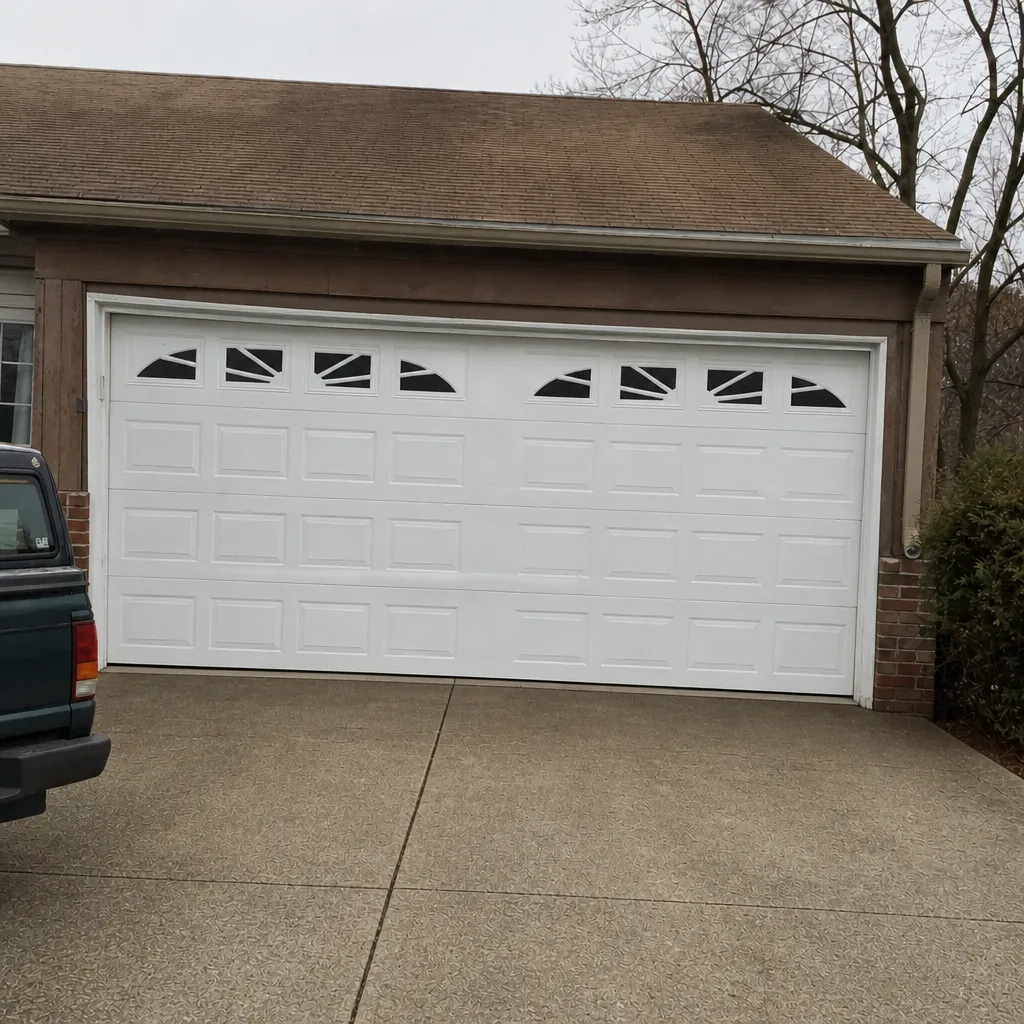
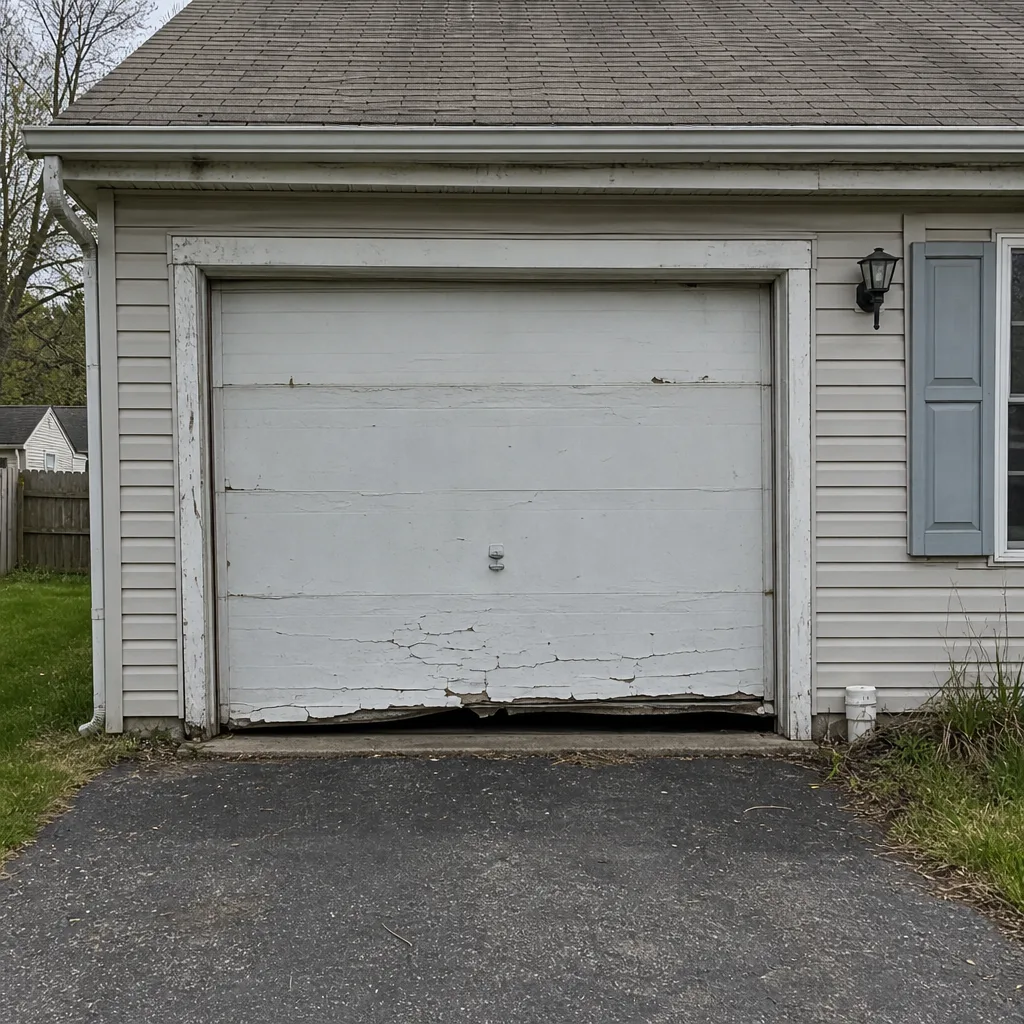
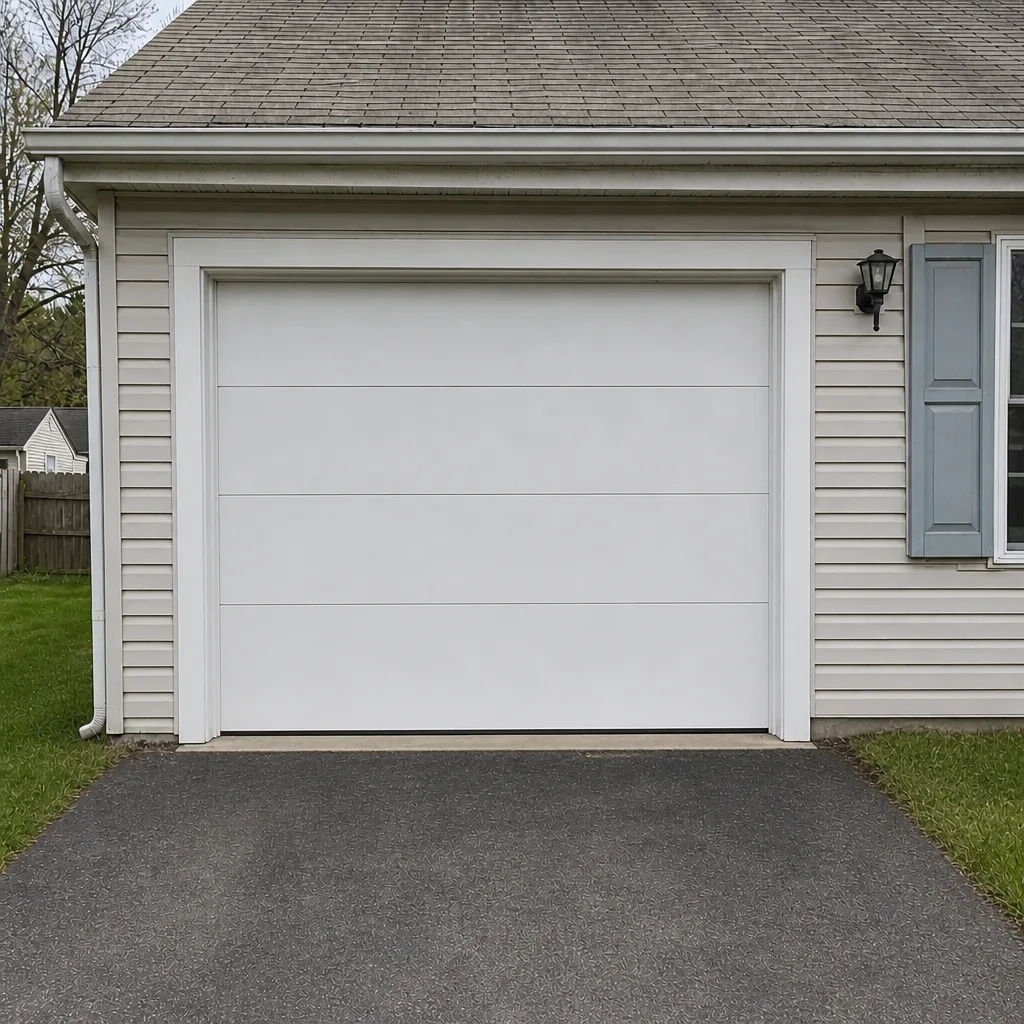
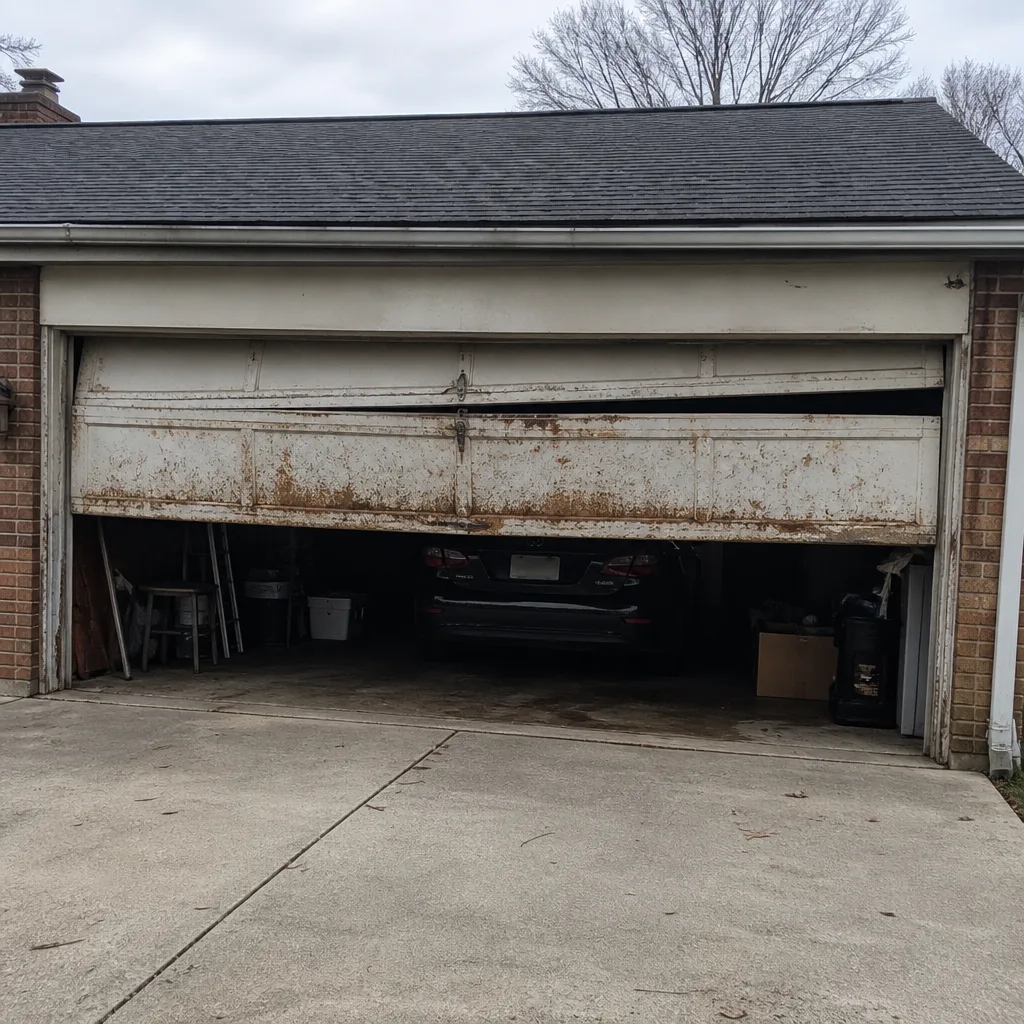
See the difference
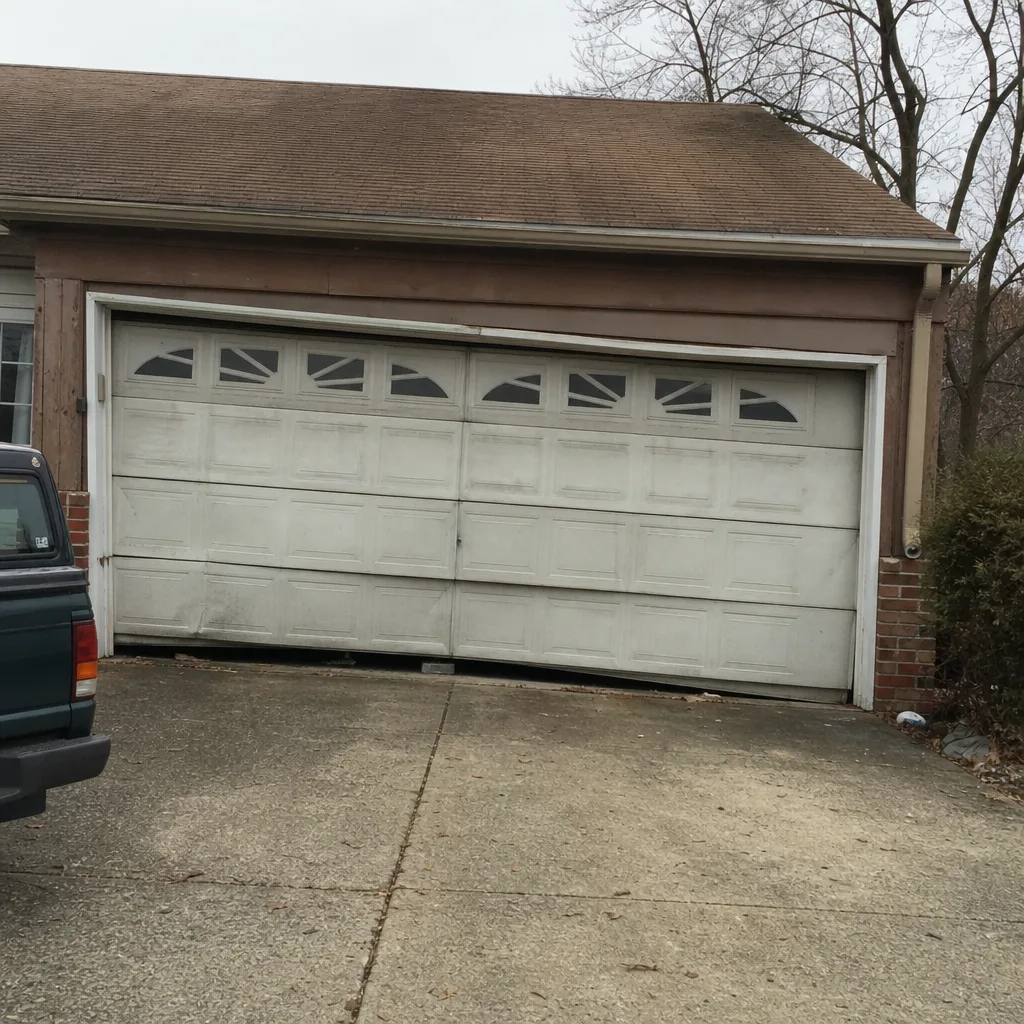 Before
 After
 Before
 After
 Before
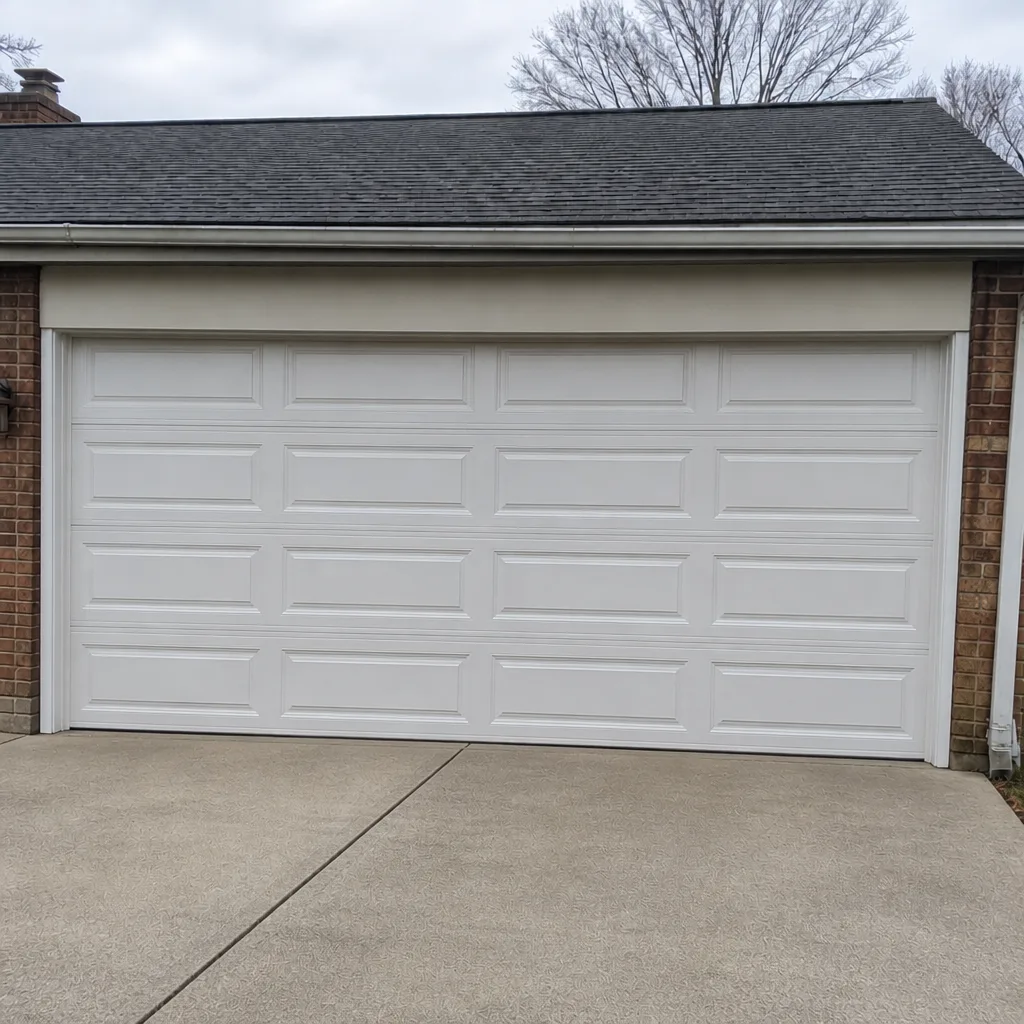 After
When to Call a Professional
Some seasonal tasks fit a Saturday morning of your own time. Some don’t. Call a professional when the door is out of balance, when the springs look stretched or show rust, when the cables are frayed, when the bottom seal has pulled away and the door won’t close flush, or when the opener strains or reverses unexpectedly. If you’ve had a repair attempt and it didn’t solve the problem, that’s also the time to call. We handle spring repair, cable repair, opener diagnosis, and full door installation, all under one roof. Glen Burnie Garage Door Repair Pros offers free estimates in Glen Burnie. Call (855) 550-7498. We answer 24/7. Fast dispatch from 7am to 7pm, Sunday through Friday.
Frequently Asked Questions
Schedule it in early-to-mid October, before the first hard freeze, because that’s when the fall inspection has the most leverage on the rest of the year. A fall check catches the bottom-seal and spring issues that would otherwise fail in January. That timing is the single biggest factor in whether a door makes it through winter without a repair. Call (855) 550-7498 for an estimate.
Yes. Freeze-thaw cycling damages bottom weatherstripping and door seals faster than sustained cold, because water gets behind the rubber, freezes, expands, and pries the seal loose. Each cycle opens the gap a little more, and by the end of winter the seal is split. Solid EPDM rubber holds up far better than foam-core weatherstripping through this cycle. Call (855) 550-7498 if your seal is already split.
Summer humidity makes wood and wood-look composite panels absorb moisture and swell, which can shift them slightly out of alignment in the track. That swelling puts extra pressure on the rollers and vertical tracks, and over a full season the door can begin to bind. Keeping the paint or seal finish intact reduces the amount of moisture the panels absorb. Call (855) 550-7498 if the door is rubbing or the opener is straining.
In fall, it’s inspecting the bottom seal edge for cracks and gaps. In spring, it’s the door balance test with the opener disconnected. In summer, it’s lubricating the rollers, hinges, and spring coils. In winter, it’s clearing ice and debris from the track and threshold. Each takes under ten minutes and prevents problems that cost far more to fix later. Call (855) 550-7498 for anything that looks beyond a simple check.
Yes, in most cases. Bottom weatherstripping replacement involves no spring tension and is one of the safer garage door tasks for a confident homeowner. Bring the old seal or the door brand to the purchase so you match the retainer profile. If the door has an aluminum bottom retainer, swapping the rubber is straightforward. Call (855) 550-7498 if you’re unsure of the door brand, and we can identify it during an inspection.
Usually yes, because torsion springs are installed in matched pairs and wear at the same rate. Replacing only one leaves you back under the door within a season when the second spring fails. Spring replacement is also the most dangerous job on a garage door, so it belongs with a trained technician rather than a homeowner. Call (855) 550-7498 for a spring repair estimate.
The Bottom Line
Seasonal garage door care in Glen Burnie comes down to timing. Fall is the highest-leverage season, because October inspections prevent January failures. Winter stress comes from freeze-thaw cycles that crack bottom seals, not cold alone. Spring is when the post-winter audit catches quiet damage. Summer humidity swells wood panels and drifts tracks out of alignment, and a little lubricant goes a long way. Spread across a year, the four ten-minute tasks in this guide are the most reliable way to extend a door system’s life. When a task is beyond a simple seasonal check, a specialist makes the difference. Our technicians have up to 8 years of experience, and garage doors are all we do. Call (855) 550-7498 for a free estimate. We answer 24/7. Fast dispatch from 7am to 7pm, Sunday through Friday.
Written by the team at Glen Burnie Garage Door Repair Pros.