
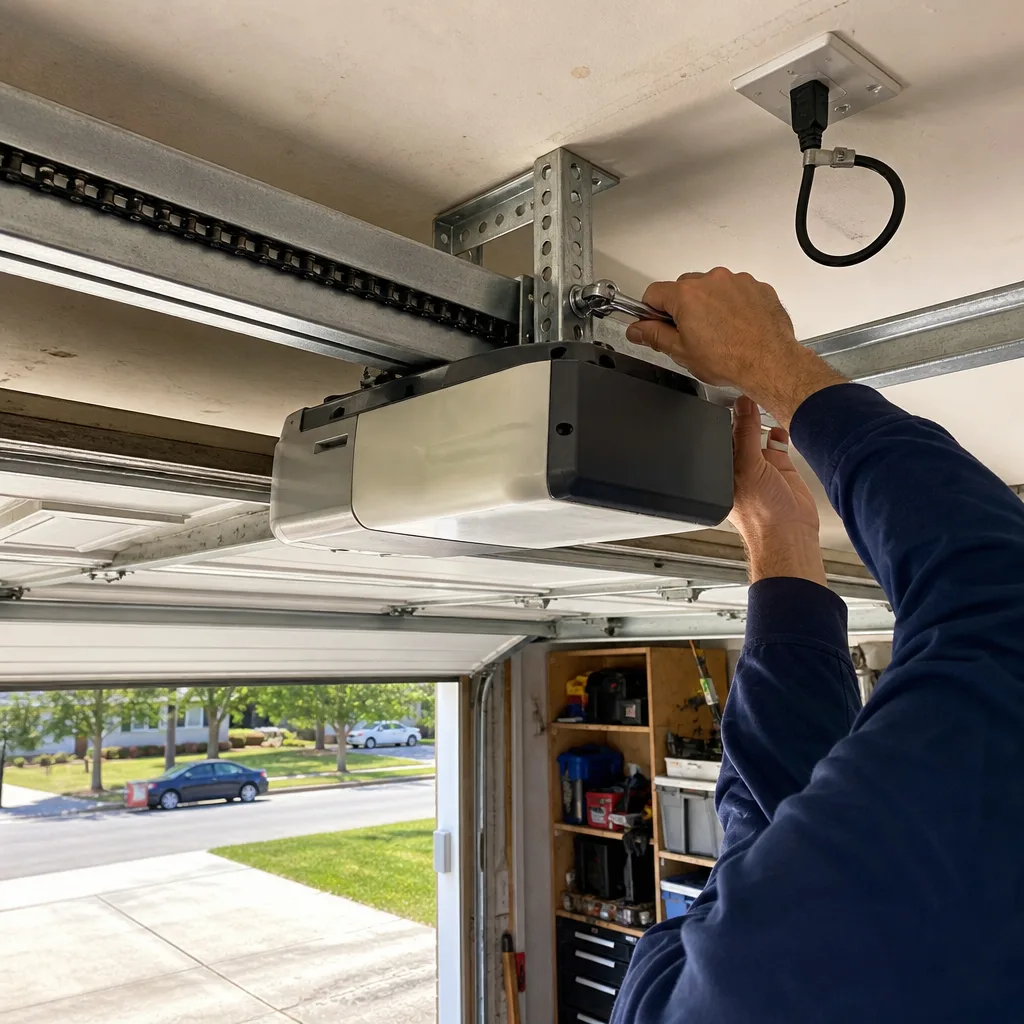
Last updated November 23, 2026
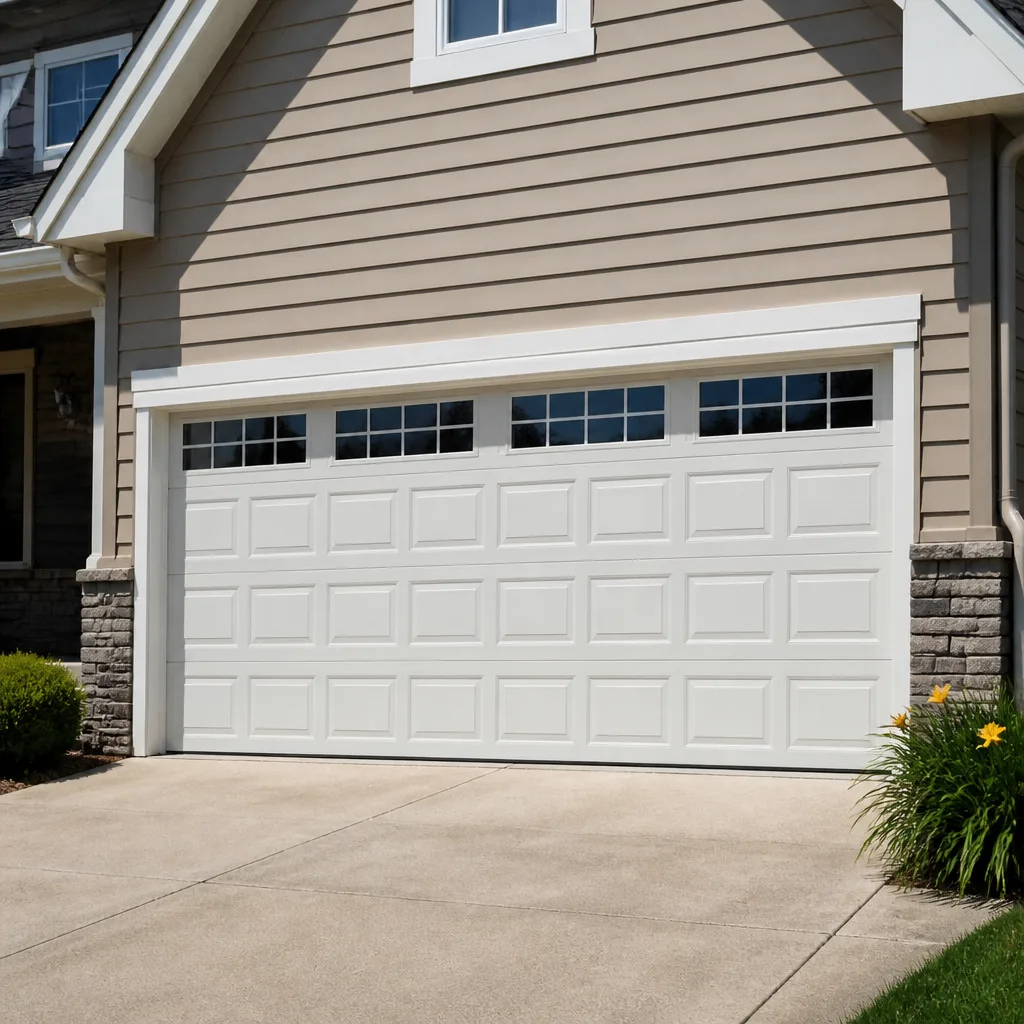 Raised-panel steel
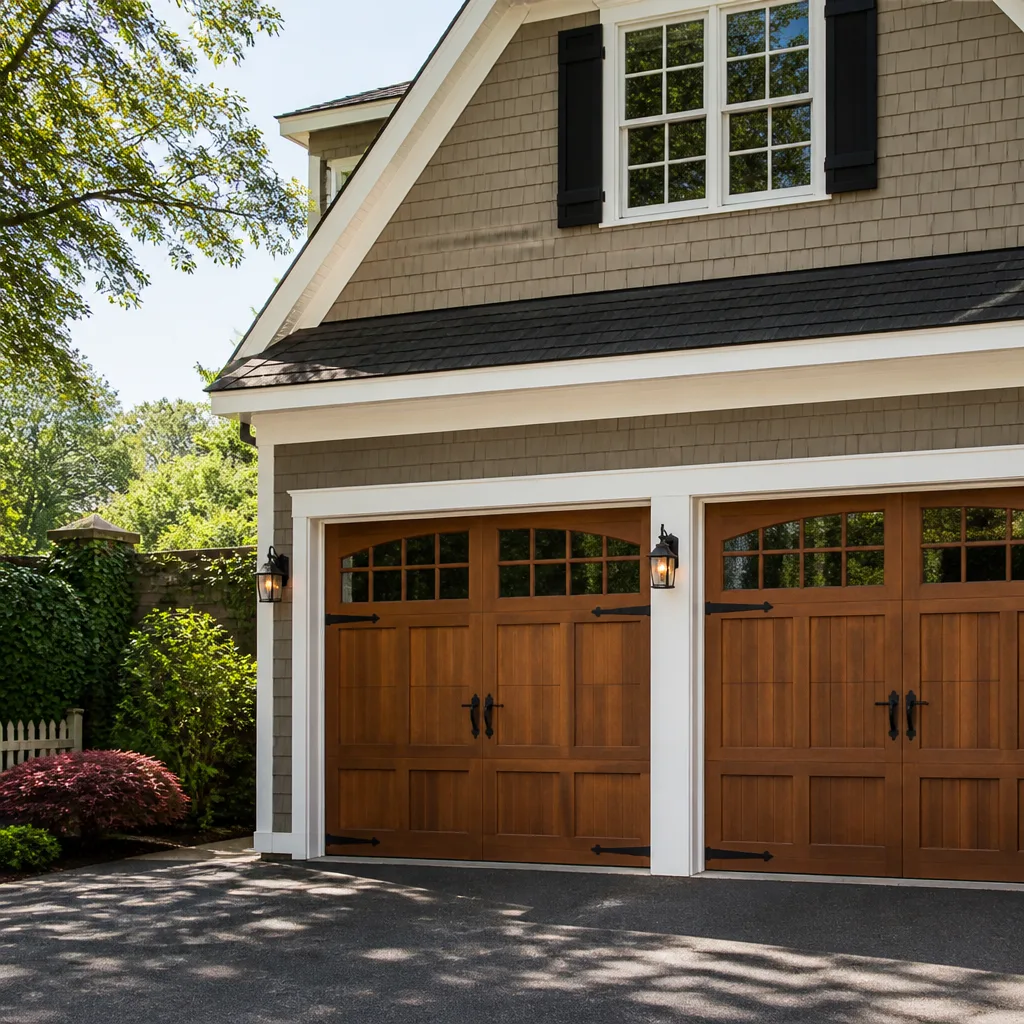 Carriage house
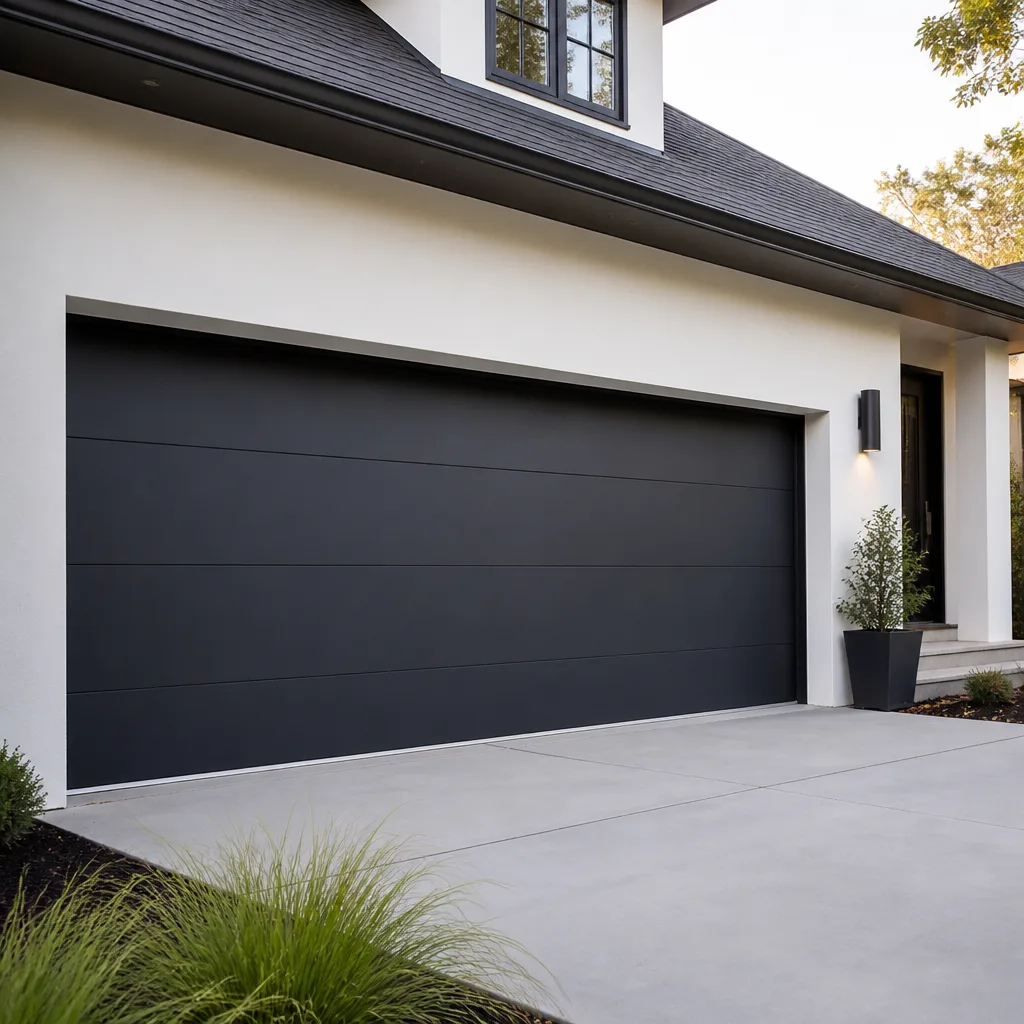 Modern flush
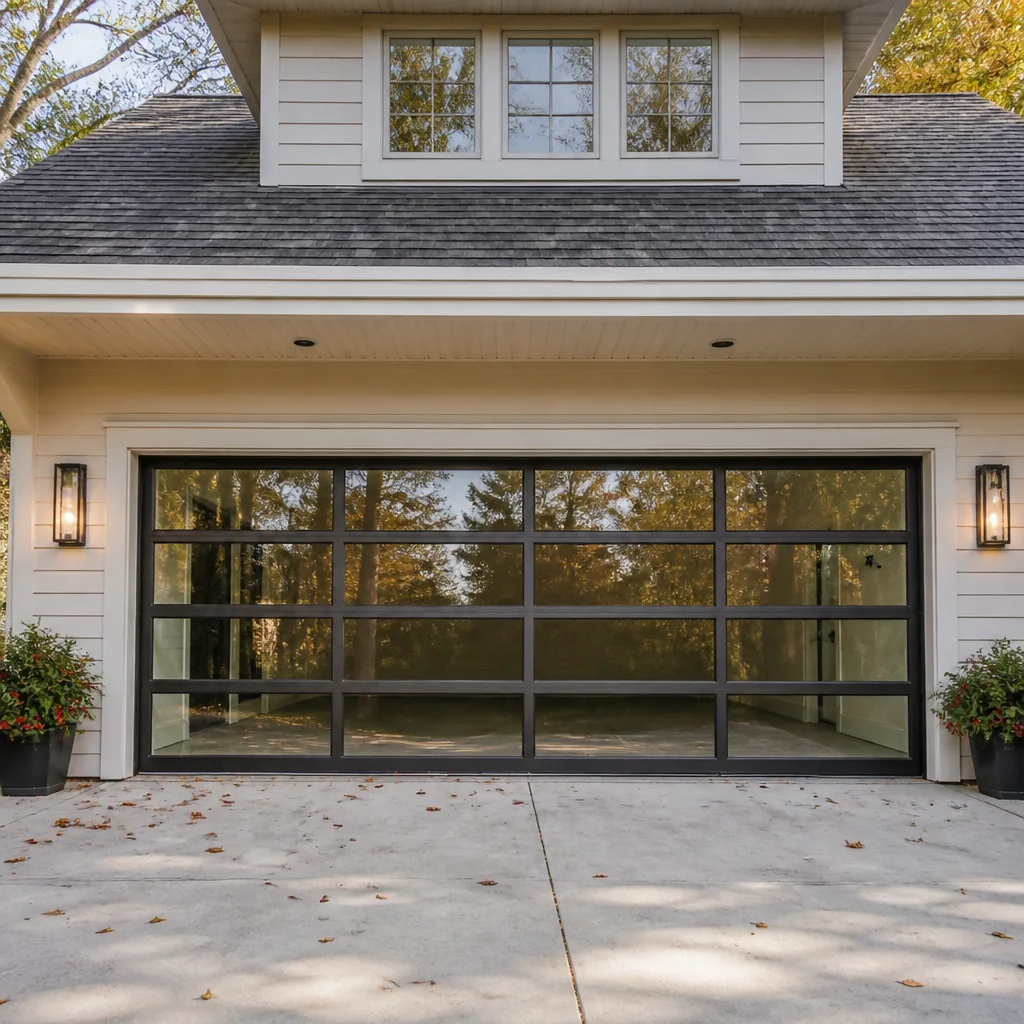 Full-view glass
 LiftMaster openers
 Chamberlain openers
Full 25-point door and opener safety check with every visit - springs, cables, rollers, tracks, and your LiftMaster or Chamberlain opener included
You get a price before we start. It does not change when the pro arrives.
Get your free estimateGarage Door Warning Signs: A Glen Burnie Homeowner’s Reference Guide
Most garage doors don’t fail out of nowhere. They complain first. That grinding noise on a cold Glen Burnie morning, the slight hesitation halfway up, the door that suddenly reverses before it closes – these are all warnings, and they tend to get louder and more expensive the longer they’re ignored. This guide is here to help you read them. We’ll walk through what each sound points to, which checks you can safely do from the ground, how doors in older Glen Burnie neighborhoods tend to age, and which warnings mean “book it this week” versus “stop using the door until someone looks at it.”
Quick Answer
The main garage door warning signs are grinding, squealing, popping, or thumping noises, a door that moves unevenly or reverses on its own, visibly frayed cables or stretched springs, and gaps between the door and the track. Any sign involving springs or cables means stop operating the door and call a trained technician. Most other warnings are worth scheduling soon, before a small fix turns into a larger repair.
Styles & brands we work with
- Raised-panel steel
- Carriage house
- Modern flush
- Full-view glass
- LiftMaster openers
- Chamberlain openers
Table of Contents
- Sound-to-Cause Diagnostic: What That Noise Actually Means
- Visual Checks You Can Do Safely From the Ground
- The Two-Minute Speed and Balance Tests
- How Older Glen Burnie Doors Show Age Differently
- Schedule It This Week vs. Stop Using the Door
- Opener Warning Signs Most Homeowners Miss
- Cold Mornings, Humidity, and What the Seasons Do to Your Door
- Low-Effort Habits That Prevent Most Failures
Sound-to-Cause Diagnostic: What That Noise Actually Means
Sound is the earliest and most reliable warning your door gives you. Each noise points to a different part of the system, and the urgency behind each one varies a lot. Here’s how we break it down:
- Grinding. Usually dry or worn rollers meeting the track, or a torsion spring that’s lost tension and is dragging. Left alone, grinding wears grooves into the track and stresses the whole assembly. On a door with older hardware it can escalate quickly. This one is worth scheduling soon.
- Squealing or high-pitched whining. Metal-on-metal contact, typically from dry hinges, rollers, or bearings. It’s often the cheapest problem to correct and the one most likely to get worse without attention. Squealing alone doesn’t mean stop using the door, but it’s your cue to book a service call.
- Popping or a loud bang. A pop at the top of the door travel often means a torsion spring has begun to fail or a cable has slipped. A single sharp bang that stops the door cold usually means a spring has broken outright. This is a stop-and-call situation – don’t run the door again.
- Thumping or rattling. Loose hinges, a worn opener chain, or a door that’s out of balance. The door still works but it’s working harder than it should, which puts strain on the opener motor and the springs. It’s worth a visit before the strain finds a weak point.
- Clicking from the opener. Usually a relay or a stripped gear inside the opener housing. It’s not dangerous, but it means the motor can’t reliably drive the door and the opener will eventually quit.
In our experience, the door that gets serviced the week a new sound shows up is almost always the door that doesn’t strand the car, doesn’t break a spring in the middle of a busy morning, and doesn’t need a bigger repair. If a noise has been there for weeks, we’d rather see it now. That’s exactly the kind of call our garage door repair team handles in Glen Burnie, and it’s a lot easier to fix than the alternative.
Visual Checks You Can Do Safely From the Ground
You can spot a lot of trouble without touching anything. The rule is simple: look, don’t reach. Springs and cables are under extreme tension, and poking at them by hand is how people get hurt. Here’s what to check, visually, from a standing position:
- Look at the springs. On a torsion setup (a horizontal spring above the door), check for a visible gap in the coil. A gap means the spring is broken. On extension springs (two long springs running alongside the tracks), look for stretched coils and any loose or missing safety cables. If anything looks off, stop using the door and call.
- Check the cables. The cables run from the bottom corners of the door up to the drum. Look for frays, kinks, or a cable that’s off the drum. A frayed cable is a “don’t operate the door until a tech arrives” sign.
- Inspect the tracks. They should be straight and evenly spaced. A visible kink or bend, or a gap between the roller and the track, means the door is running off-line.
- Look at the rollers. Nylon or steel rollers should sit snug in their brackets with no visible flat spots. Worn rollers are a common cause of grinding.
- Scan the door panels and hinges. Rust streaks, hinge cracks, or a panel that’s visibly separating at a joint are all worth a call. On older Glen Burnie doors these show up as paint flaking at the hinges and rollers first.
If you see anything on this list that involves springs or cables, leave the door shut and call a professional. It’s not a fix to attempt with a wrench from the hardware store. We handle garage door spring repair as a named service, and our technicians have up to 8 years of experience with exactly this kind of work.
The Two-Minute Speed and Balance Tests
Two quick checks will tell you more about your door’s health than a month of listening to it. Both take about a minute and neither involves the springs or cables. Run them once a month, or before a season change.
- The speed test. Open the door with the opener and watch it the whole way. A healthy door moves at a steady pace from the bottom to the top. If you notice a jolt at any point, a section that moves slower than the rest, or the door reversing partway up, that’s a warning sign. In many cases it comes down to a worn spring, a track issue, or an opener that needs adjustment.
- The balance test (manual doors only). If your door has a manual lock or a bypass switch on the opener, disconnect the opener and lift the door by hand to about halfway. Let it rest there. A balanced door should stay roughly in place. A door that drifts down on its own or slams up fast means the spring tension is wrong – call a technician to adjust it rather than adjusting it yourself.
If either test turns up something, don’t cycle the door repeatedly hoping it’ll settle. That’s how small problems compound into big ones. Give our Glen Burnie Garage Door Repair Pros a call and we’ll take it from there. We answer 24/7. Fast dispatch from 7am to 7pm, Sunday through Friday.
How Older Glen Burnie Doors Show Age Differently
Glen Burnie has a lot of homes built from the 1970s through the 1990s, and many still run their original door, opener, and hardware. Those systems fail on their own schedule, and the signs look different than they do on newer doors.
- The opener motor is louder than the door. A 1980s-era opener tends to be the loudest part of the system. If the motor is grinding but the door itself is quiet, the failure is inside the opener, not the door.
- The torsion spring has likely already been replaced at least once. Springs on older doors often fail twice in their lifetime. A spring that’s newer than the surrounding hardware is fine, but a spring that looks original to the door when the door is decades old is on borrowed time.
- Rollers are plastic, and plastic cracks. Older nylon rollers had no sealed bearings and degrade faster. When they crack, they grind and wear the track. Replacing them is inexpensive and prevents a lot of other problems.
- Door panels sag at the hinges. Original wood or steel panels on older homes often bow slightly at the hinge points, which throws the door out of balance. It’s easy to spot from the ground if you look across the top of the door from inside the garage.
- The opener lacks modern safety reversing. Openers made before the mid-1990s may not have the same reversing protection as current models. If your opener is that old and still working, it’s worth having it checked for safety, even if nothing feels wrong.
Newer systems in Glen Burnie homes built from the 2000s on tend to show their age through opener electronics and belt-drive wear rather than the door itself. The warning signs translate, but the repair is different. Either way, we work on older LiftMaster and Genie systems every day, so there’s no learning curve when we arrive.
Schedule It This Week vs. Stop Using the Door
The single most useful distinction in this guide is the one between “book service soon” and “do not run the door again.” Get this right and you’ll avoid both the unnecessary panic call and the avoidable injury.
Stop Using the Door – Call Now
- A visible gap in the spring coil or a spring that has clearly snapped
- A frayed, kinked, or off-drum cable
- The door hanging visibly crooked or one side dragging
- Any loud pop or bang followed by the door not opening
- The door falling faster than it should
Schedule This Week
- Grinding, squealing, or squeaking
- The door reversing partway up or down
- Uneven speed from one side to the other
- Visible bowing at the hinges
- Opener clicking or struggling
Put It on the Calendar
- Thumping or rattling during normal operation
- A door that seems slightly less balanced than it used to
- Paint flaking at hinges and rollers
- An opener that’s older but still working reliably
If you’re not sure which bucket your issue falls into, start with the safe answer: don’t run the door, and call to have it looked at. It costs nothing to ask. Our garage door opener repair team handles the electronics side and our spring team handles the mechanical side, so one call covers both. That’s the same whether you’re in Glen Burnie proper or out in one of the surrounding neighborhoods.
Opener Warning Signs Most Homeowners Miss
The opener is the part of the system homeowners notice last, and it’s often the part that fails first. Here’s what to watch for:
- The wall button needs a harder press. Usually a worn switch, and it points to a failing circuit board before a full failure.
- The remote works only up close. Weak batteries or a tired antenna inside the opener housing.
- The door reverses without touching anything. Either the safety sensors are misaligned or blocked, or the opener’s limit switch needs adjustment.
- The motor runs but the door doesn’t move. Almost always a stripped gear or a broken drive belt or chain. It’s a common failure on Chamberlain and Raynor openers and a straightforward fix once we’ve confirmed the cause.
- The opener cycles on and off without being commanded. Usually a stuck remote or a wiring issue. Worth a visit.
Cold Mornings, Humidity, and What the Seasons Do to Your Door
Glen Burnie’s weather swings between humid summers and cold winters, and that cycle works on your door year-round. Cold mornings thicken lubricants and shrink metal, which is why a door that ran quietly in October suddenly grinds in January. Summer humidity rusts hinges and rollers that aren’t kept lubricated, and a rusted hinge is a hinge that stops moving freely long before it fails outright. The door itself is also affected: wood panels expand in humid weather and contract in the cold, which stresses the joints and hardware over time. Steel doors handle it better but still show the seasonal movement at the hinges and rollers.
This is why we suggest a quick visual check at the start of each season. Not because the door is fragile – because the seasonal swing is when the small problems are easiest to catch and cheapest to fix.
Low-Effort Habits That Prevent Most Failures
You don’t need to be handy to keep a garage door healthy. You need to notice things and make one call a year. Here’s what actually moves the needle:
- Listen once a month. Stand in the garage while the door opens and closes. Any new sound is your cue.
- Do the visual checks in this guide every three months. Spring gap, cable condition, track straightness.
- Run the speed and balance tests at the start of each season. Two minutes, catches most drift.
- Keep the track clean and clear. A broom to remove leaves and grit is enough. Don’t spray the track with lubricant.
- Book a professional once a year. A trained technician will spot what you can’t and correct things before they break.
Common Mistakes to Avoid
- Trying to fix a spring yourself. Garage door springs are under high tension, and the wrong move can cause serious injury. Leave spring work to a trained technician every time.
- Ignoring the grinding noise until the door stops. Grinding is usually the earliest warning, and it gets more expensive the longer it plays out. A rolling door that grinds for months often needs track work by the time the noise is loud enough to notice from the house.
- Lubricating the tracks. Tracks should stay dry. Grease attracts grit and makes the door run worse.
- Replacing the opener to fix a door problem. A reversing door is usually a sensor or balance issue, not an opener failure. Check the door first.
- Adjusting the spring tension by hand. Even on a manual door, correct tension is a trained-technician job. Getting it wrong can snap a cable.
- Skipping the service call because “it still works.” A door that’s louder, slower, or less balanced than it used to be is not okay – it’s telling you something.
- Assuming a 1990s-era door is safe because it’s never broken. Older systems deserve a professional once-over even when nothing’s wrong, especially if the opener is original.
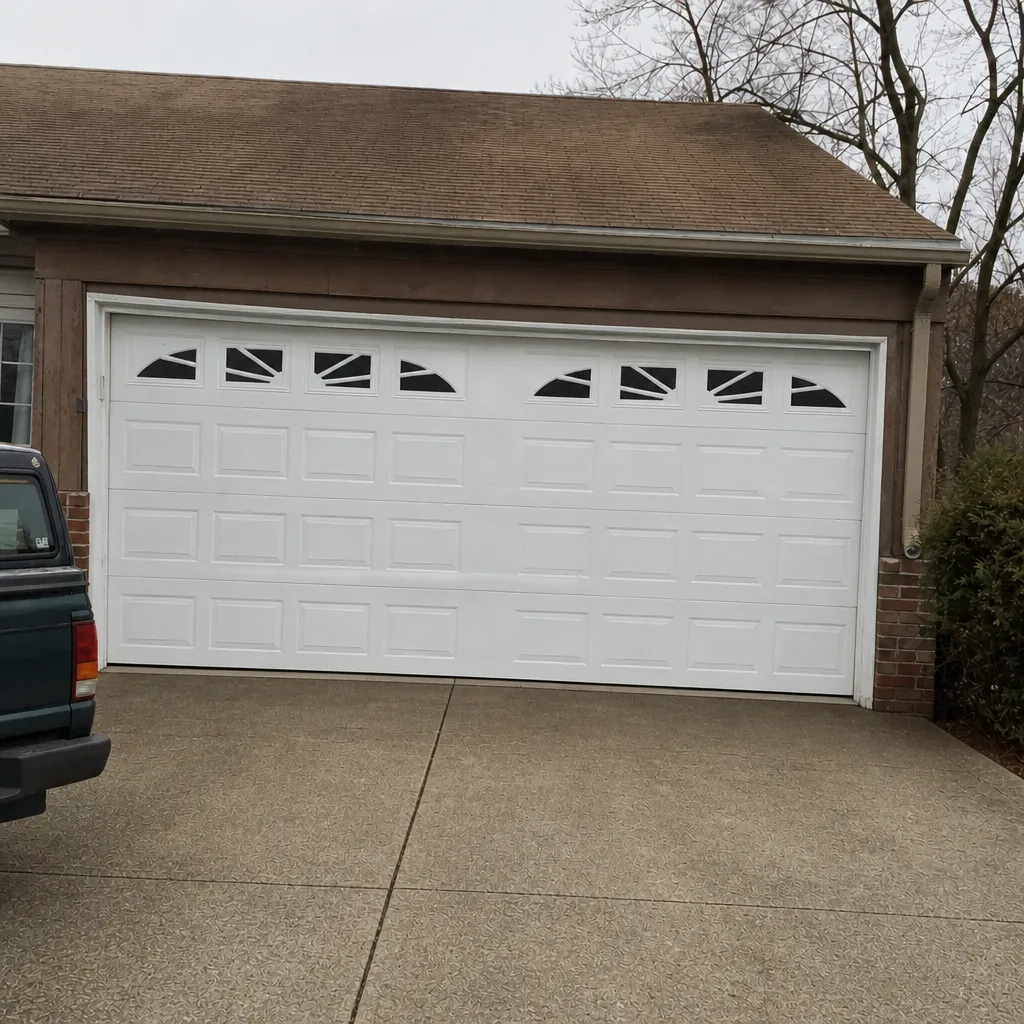
See the difference
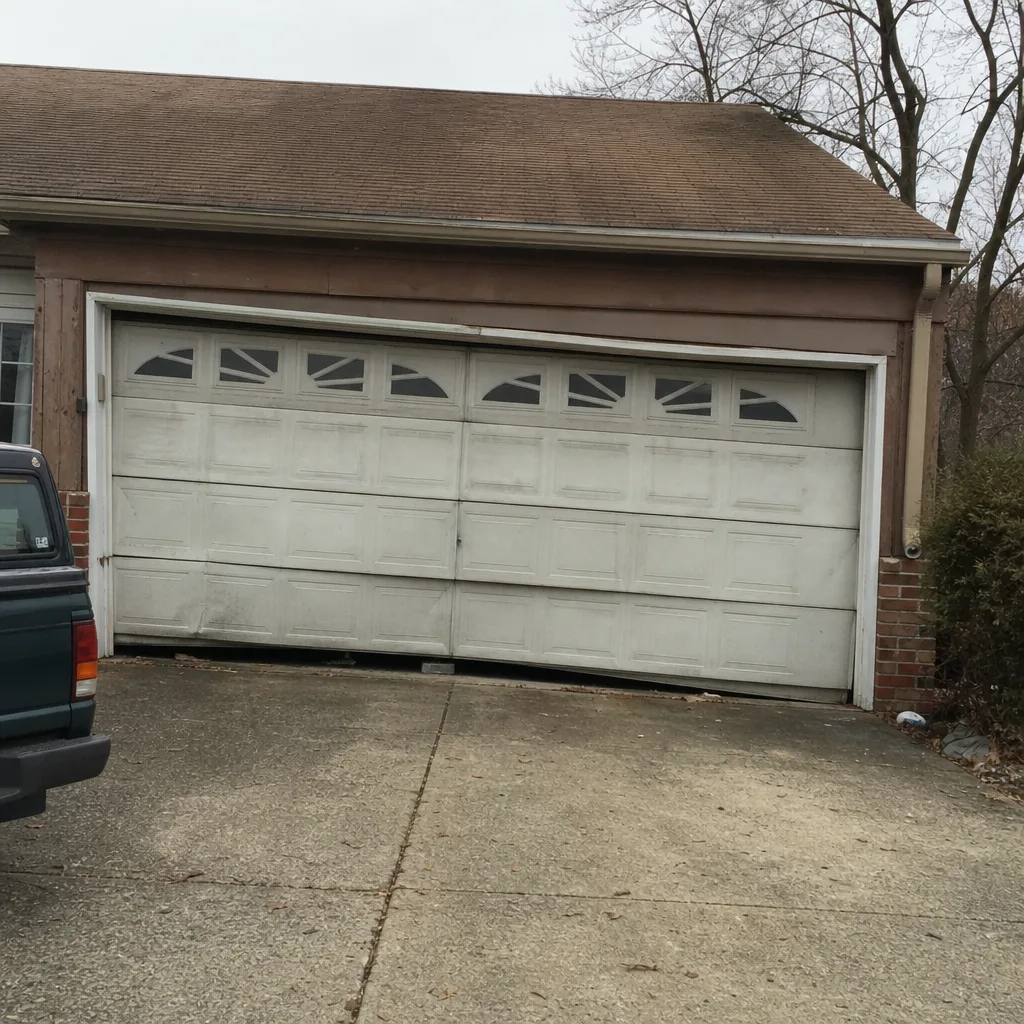 Before
 After
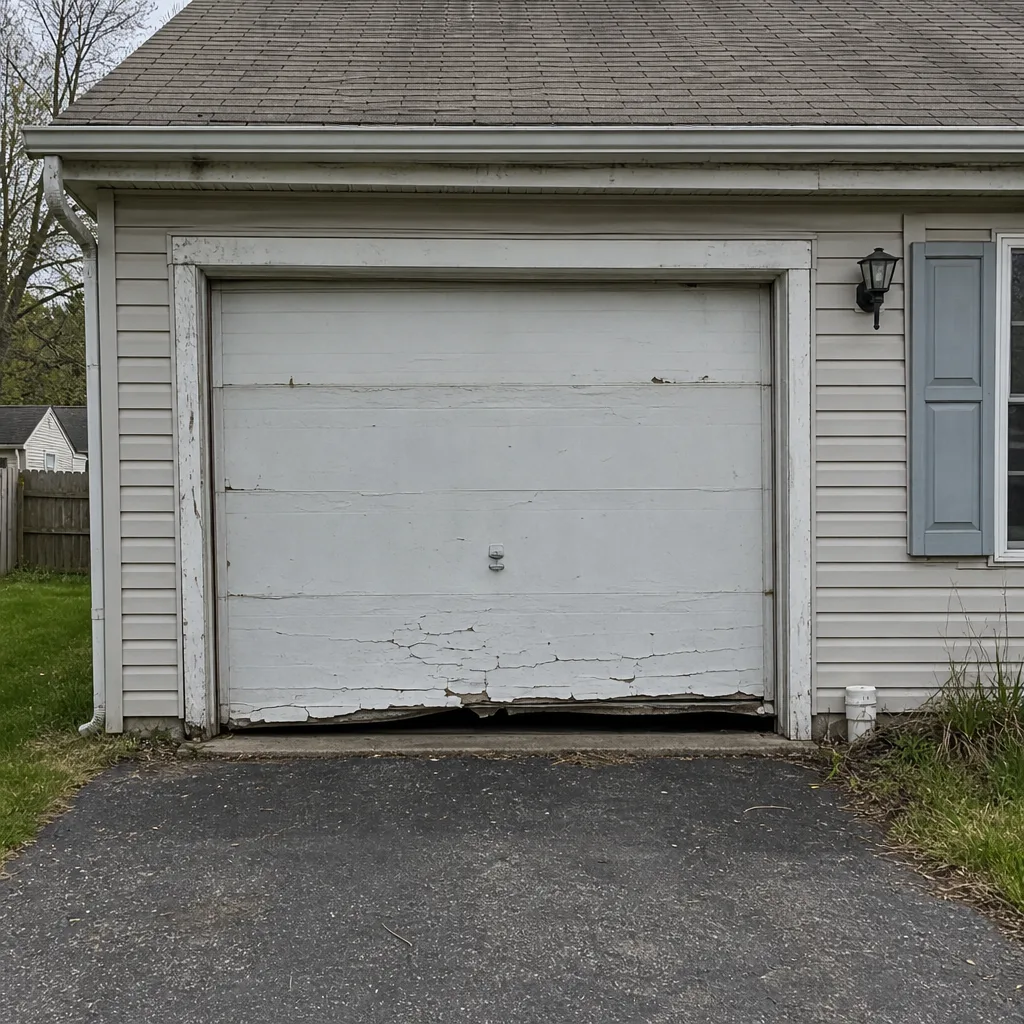 Before
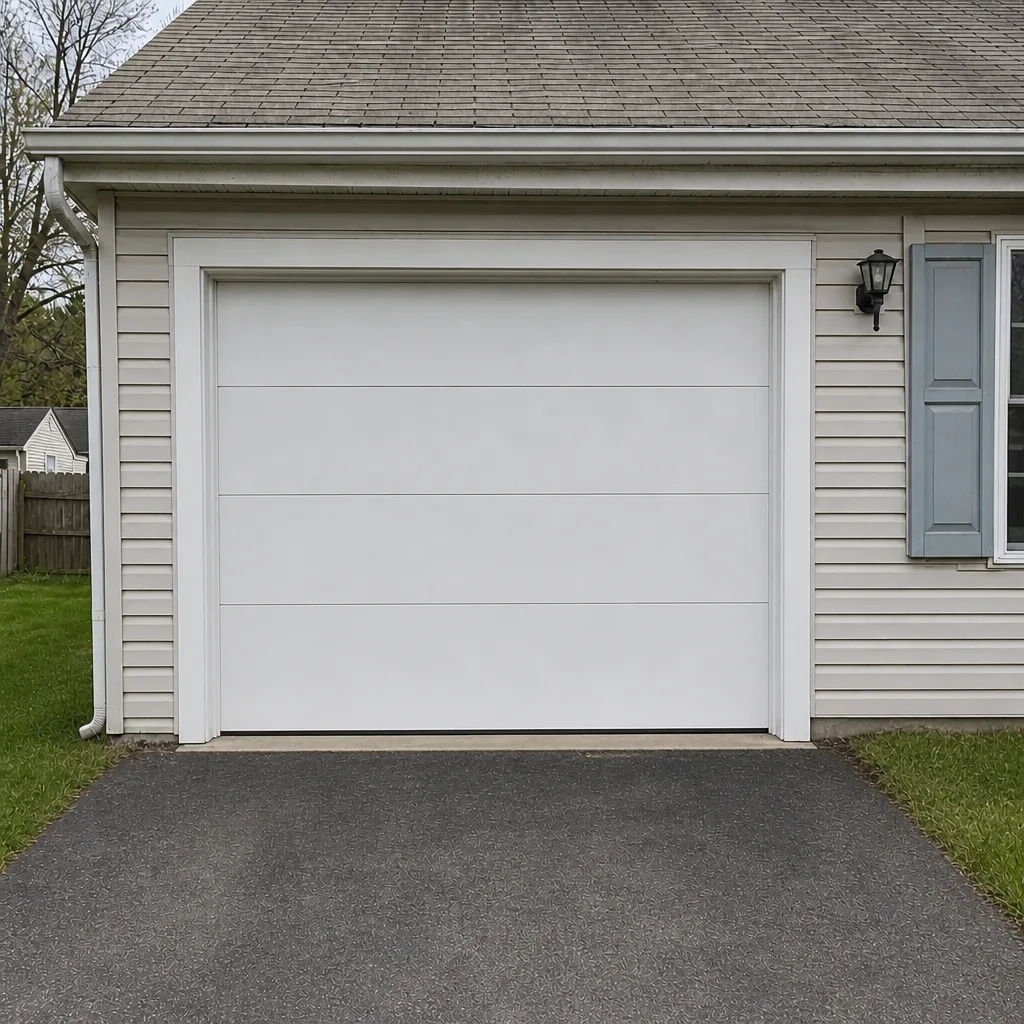 After
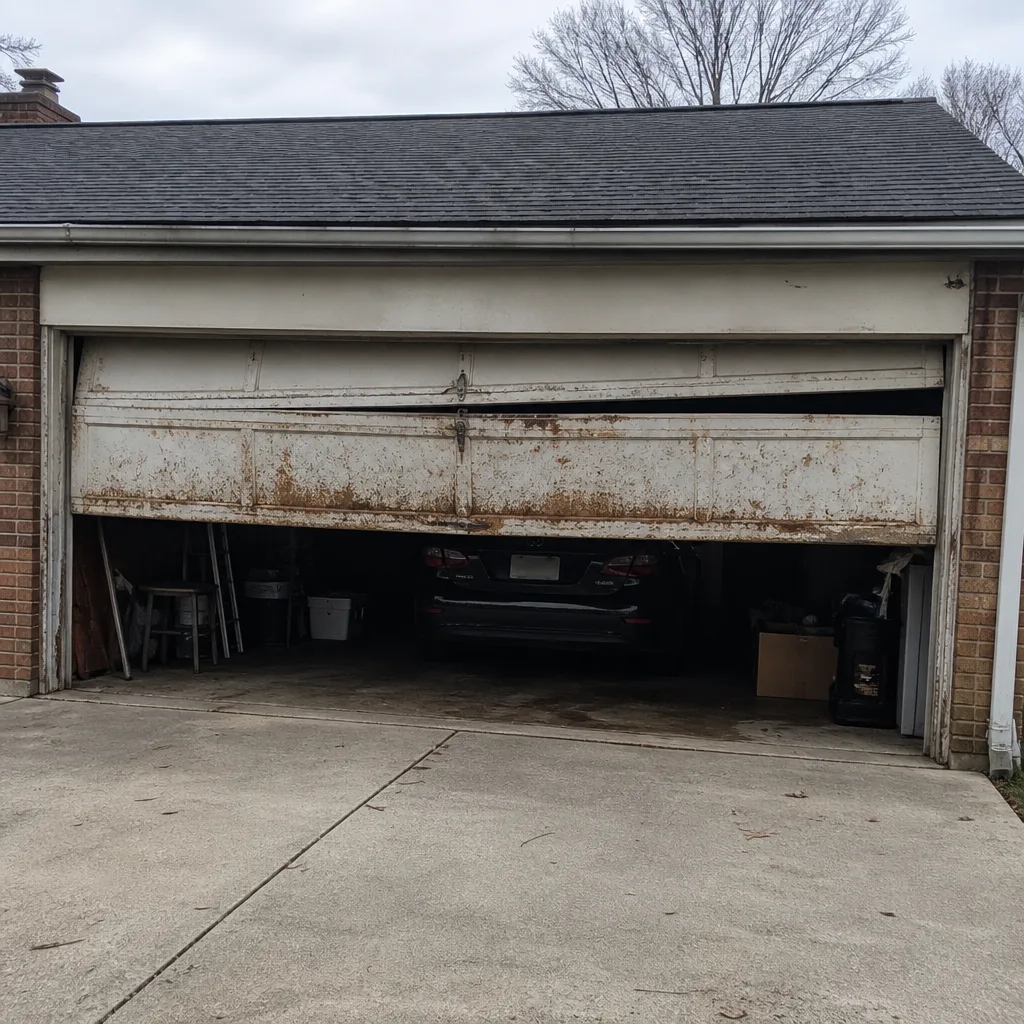 Before
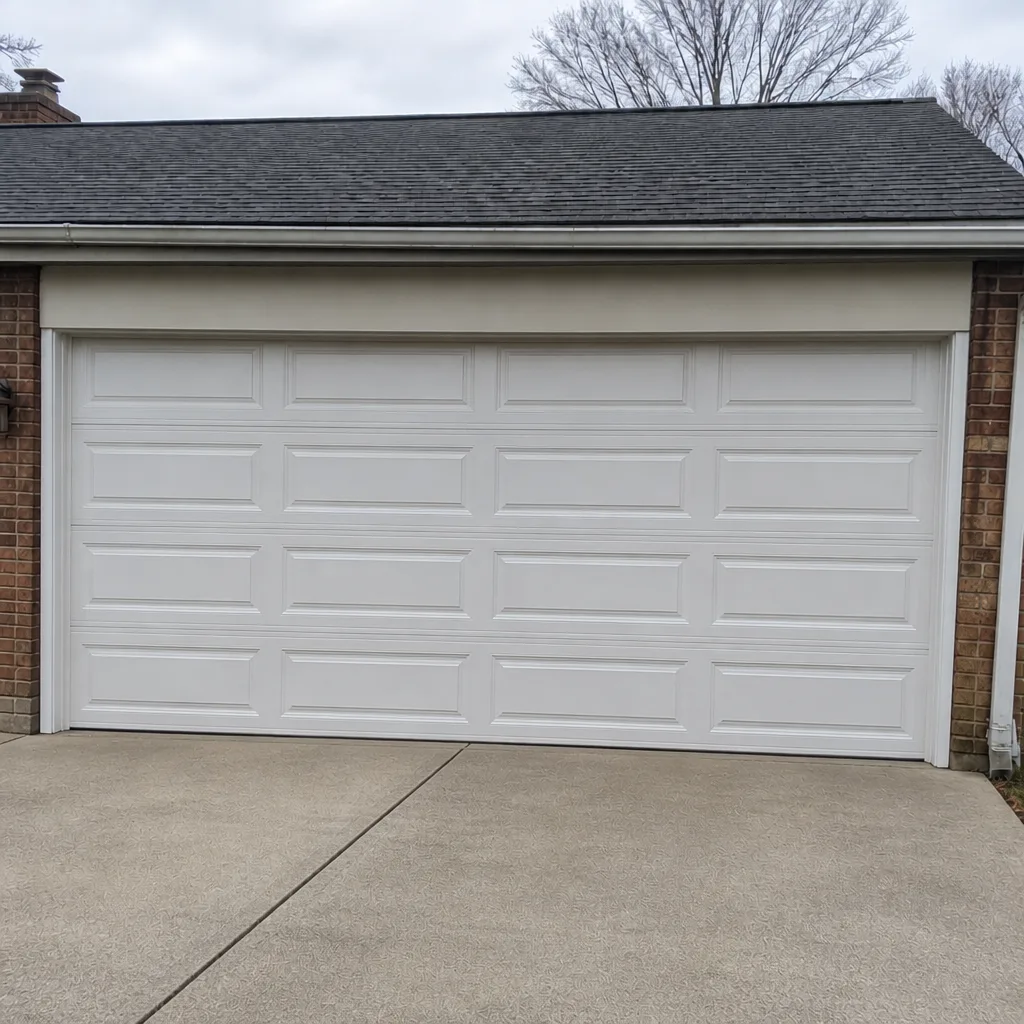 After
When to Call a Professional
Call a professional any time you see a spring gap, a frayed cable, a door hanging crooked, or a loud pop followed by the door not opening – stop using the door and call. Also call for grinding that won’t go away, a door that reverses on its own, an opener that struggles, or an older system you want checked before something breaks. If you’re not sure which category you’re in, that’s reason enough to call. We answer 24/7. Fast dispatch from 7am to 7pm, Sunday through Friday. Glen Burnie Garage Door Repair Pros offers free estimates in Glen Burnie – call (855) 550-7498.
Frequently Asked Questions
The most common warning signs are grinding or squealing noises, a door that moves unevenly or reverses on its own, and visible gaps in spring coils or frayed cables. Any sign involving springs or cables means stop using the door and call a technician. Call (855) 550-7498 for a free estimate.
Garage door repair in Glen Burnie depends on the part that failed and the door’s age, and the written estimate sets the final price. Cost is quoted and agreed before any work starts, so you’ll know what you’re paying before we open a toolkit. Call (855) 550-7498 for an exact quote – estimates are free.
No. Garage door springs are under high tension and the wrong move can cause serious injury. This is one of the few repairs we actively tell homeowners not to attempt. Call us and we’ll handle it safely.
We answer 24/7. Fast dispatch from 7am to 7pm, Sunday through Friday. We’re closed Saturday. Call (855) 550-7498 and we’ll get you booked in.
Grinding usually gets worse and more expensive the longer it’s ignored. What starts as worn rollers can wear into the track and stress the whole assembly. Book it in the week the noise starts and you’ll avoid a bigger repair.
The local professionals we connect you with are licensed and insured as their state requires. Our technicians have up to 8 years of experience, and garage doors are all we do. Call (855) 550-7498 for a free estimate.
The Bottom Line
Your garage door tells you when something is wrong – through sounds, speed changes, and visible wear – long before it strands you. Learn the difference between a noise to schedule and a sign to stop: springs and cables mean call now, grinding and reversing mean call this week, and thumping and rattling mean put it on the calendar. Check your door once a season, keep the tracks clean and dry, and have a professional look things over once a year. That’s the whole system. Glen Burnie Garage Door Repair Pros is here when your door starts talking – call (855) 550-7498 for a free estimate. We answer 24/7. Fast dispatch from 7am to 7pm, Sunday through Friday.
Written by the team at Glen Burnie Garage Door Repair Pros.